The diesel piston bowl is the bowl-shaped recess machined into the crown of a diesel piston, and it is one of the most influential features in the entire combustion system. Its shape controls how air and injected fuel mix, how the flame front develops, and how efficiently the engine burns fuel. Together with the piston head, the bowl determines compression behavior, power delivery, and emissions. In this guide we explain what the diesel piston bowl and piston head do, how bowl geometry affects performance, and how to choose the correct Baudouin piston components for M-series engines. We also cover the signs of bowl damage and what to check before ordering replacement pistons.
What Is a Diesel Piston Bowl?
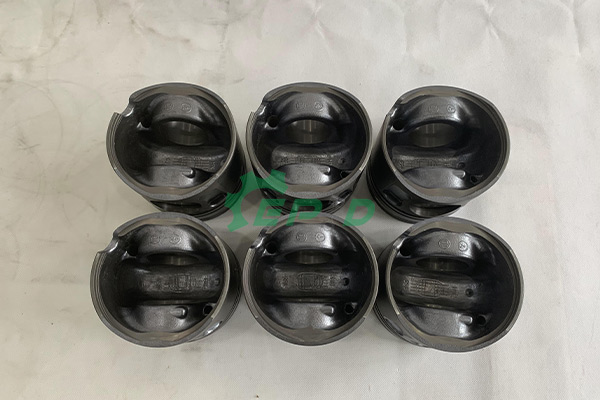
The diesel piston bowl is the depression in the top of the piston that forms the lower half of the combustion chamber. On a direct-injection diesel, the injector sprays fuel directly into this bowl, and the bowl’s shape is designed to swirl the air and create the turbulence needed for fast, complete combustion. Bowl designs vary widely: open shallow bowls, deep re-entrant bowls, and toroidal bowls are all used to meet different power, speed, and emissions targets. Getting the geometry right matters, because the bowl directly affects fuel economy, power output, smoke, and the thermal load placed on the piston crown.
Piston Head and Crown Explained
The piston head, also called the piston crown, is the top surface of the piston that faces the combustion chamber. It absorbs the full force of each combustion event and must withstand extreme heat and pressure cycle after cycle. The crown carries the ring grooves that hold the compression and oil-control rings, and it transfers heat down through the ring belt and into the cylinder wall. On turbocharged and marine engines, the crown may include cooling galleries or protective coatings to manage temperature. Because the bowl is machined directly into the crown, the two features are designed together and must be replaced as a matched component.
How Bowl Geometry Affects Performance
Bowl geometry changes the way the fuel spray and air interact inside the cylinder. A deep, narrow bowl concentrates the fuel plume and works well for high-swirl combustion at moderate speeds, while a wide, shallow bowl suits higher-speed operation. Re-entrant designs, where the rim curves back inward, trap the burning mixture and improve mixing late in the injection event, which reduces soot and improves efficiency. For this reason, you should never substitute a piston with a different bowl profile, even if it physically fits, because the engine’s fuel system was calibrated for one specific shape. The same principle explains why two engines with identical displacement can produce very different torque curves and fuel consumption figures.
Choosing the Right Baudouin Piston Components
When you order replacement pistons, match the piston to the exact engine model and confirm the bowl profile, compression ratio, and ring pack. Because pistons, rings, and main bearings wear together, many rebuilders replace them as a matched set rather than individually. You can find Baudouin OEM pistons and rings for 4M06, 6M21, 8M21, 12M26, and 20M33 series engines, along with matching Baudouin main bearing sets for M-series engines and complete Baudouin engine overhaul kits. For the full selection, visit the Baudouin engine parts category.
Common Diesel Piston Bowl Failure Modes
Piston bowls fail for predictable reasons, and knowing them helps you prevent repeat damage. Overheating from poor cooling or extended overload cracks the bowl rim, while incorrect injection timing can erode the bowl surface over time. Contaminated or low-quality fuel accelerates carbon buildup that insulates the crown and raises operating temperatures. Catching these issues early, and replacing pistons and rings as a matched set, restores reliable combustion and protects the rest of the engine from secondary damage. Routine oil analysis and clean fuel help you spot early wear before a crack or erosion forces an unplanned overhaul.
Frequently Asked Questions
Can I use a piston with a different bowl design?
No. The engine’s injection and calibration are tuned to a specific bowl shape, so a different profile can cause poor combustion, smoke, and even piston damage. Always match the original piston design for your engine model.
What causes diesel piston bowl damage?
Overheating from poor cooling, incorrect injection timing, and contaminated fuel are the most common causes of bowl cracking and erosion. Replacing pistons and rings as a matched set helps restore reliable combustion; see compatible Baudouin piston and ring kits.
Do I replace the piston head when I replace the bowl?
The bowl is machined into the piston head, so you replace them together as one piston. Choose a piston with the correct bowl profile, compression ratio, and ring pack for your exact engine model.


