Your Yuchai diesel engine depends on two critical components to stay alive: the oil pump and the water pump. When either fails, costly damage can follow. This guide covers essential yuchai oil pump water pump maintenance procedures to help you avoid downtime and extend engine life.
Why Oil Pump and Water Pump Maintenance Matters
The oil pump circulates lubricant to bearings, pistons, and the camshaft. Without proper oil flow, metal-to-metal contact quickly destroys engine internals. The water pump, meanwhile, drives coolant through the block and radiator. Overheating from a failing water pump can warp cylinder heads and seize pistons. Regular maintenance of both pumps is not optional—it is the foundation of diesel engine reliability.
Neglecting these components often leads to cascading failures. A worn oil pump may cause low oil pressure, triggering premature bearing wear. A leaking water pump can drop coolant levels, causing hot spots and cracking. By prioritizing yuchai oil pump water pump maintenance, you protect your entire engine investment and avoid expensive rebuilds.
Routine Inspection Checklist for Yuchai Oil Pumps
Begin with a visual check for oil leaks around the pump housing and front cover. Inspect the drive gear for wear or cracks. Use a pressure gauge to verify oil pressure at operating temperature—if it falls below specification, the pump may be failing. Check the oil pickup tube for sludge or debris that restricts flow.
For a thorough assessment, remove the oil pan and inspect the pump’s internal rotors or gears. Scoring, pitting, or excessive clearance indicates replacement is needed. Always use a new gasket during reassembly. For YC4108Q engines, a direct replacement such as the Yuchai YC4108Q oil pump component ensures proper fit and function.
Water Pump Inspection and Service Steps
Check for coolant leaks at the weep hole, which signals a failing shaft seal. Spin the pulley by hand—rough or noisy bearings mean the pump is near failure. Inspect the impeller for corrosion or erosion, especially if coolant has been neglected. A worn impeller reduces flow and can cause overheating even if the pump turns freely.
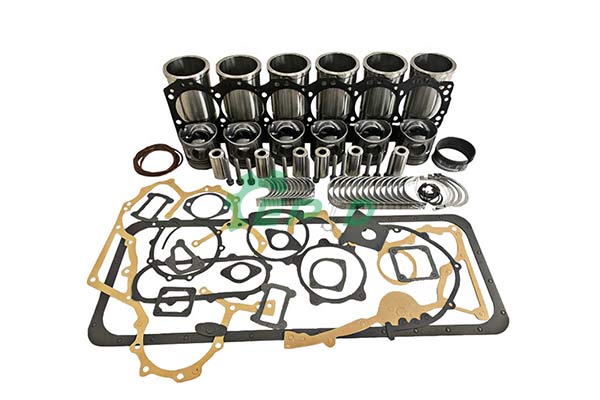
Test the drive belt for cracks and proper tension. A loose belt slips, reducing pump speed. Flush the cooling system every two years or 2,000 hours to remove scale and contaminants. When replacing the water pump, always use a new gasket and consider replacing the thermostat at the same time. For a complete overhaul, a Yuchai M66 overhaul gasket kit provides all necessary seals for a leak-free job.
Recommended Service Intervals for Yuchai Engines
Oil pump inspection: every 1,000 hours or annually. Replace if pressure drops or debris is found. Water pump inspection: every 500 hours or before heavy-duty cycles. Replace at the first sign of leakage or bearing noise. Coolant flush: every 2,000 hours or two years. Oil and filter change: every 250–500 hours depending on fuel quality and load.
These intervals assume normal operating conditions. Severe duty—dusty environments, extreme temperatures, or frequent heavy loads—requires more frequent checks. Always consult your Yuchai engine manual for specific recommendations. Consistent yuchai oil pump water pump maintenance according to these schedules prevents unexpected breakdowns.
Common Symptoms of Failing Oil and Water Pumps
Low oil pressure warning light, increased engine noise, and oil consumption are classic oil pump failure signs. Overheating, coolant loss, and white exhaust smoke point to water pump problems. A squealing belt or coolant dripping under the engine also indicate water pump issues. Ignoring these symptoms can lead to catastrophic engine damage.
If you notice any of these signs, stop the engine and inspect immediately. Continuing to operate with a failing pump risks warping the cylinder head or destroying bearings. In severe cases, a seized water pump can snap the drive belt, leaving you stranded. Early diagnosis saves time and money.
Tools and Parts for Effective Maintenance
You will need a pressure gauge, torque wrench, pulley puller, and new gaskets. Always use genuine Yuchai parts to ensure proper fit and durability. Aftermarket pumps may have incorrect clearances or inferior materials, leading to premature failure. Keep a stock of critical spares, including oil pumps, water pumps, gaskets, and belts.
For engine overhauls, consider replacing related components like cylinder liners and pistons. A Yuchai YC6G270-30 cylinder liner and a Yuchai YC6108G-340 piston repair kit restore compression and oil control. These investments pay off in extended engine life.
Step-by-Step Oil Pump Replacement Guide
Disconnect the battery and drain the oil. Remove the oil pan and unbolt the pickup tube. Detach the pump drive gear and withdraw the pump. Clean the mounting surface and install the new pump with a new gasket. Torque bolts to specification. Reinstall the pickup tube and oil pan. Refill with fresh oil and run the engine, checking for leaks and proper pressure.
During replacement, inspect the drive gear and shaft for wear. If the gear is worn, replace it to avoid damaging the new pump. Prime the pump with oil before starting to prevent dry running. After reassembly, monitor oil pressure for the first few minutes of operation.
Step-by-Step Water Pump Replacement Guide
Drain the cooling system and remove the drive belt. Disconnect hoses and unbolt the pump. Clean the mating surface and remove old gasket material. Install the new pump with a new gasket, torquing bolts in a cross pattern. Reconnect hoses and refill with coolant. Bleed the system to remove air pockets. Run the engine and check for leaks.
Always use the correct coolant type and mix ratio. Air pockets can cause overheating and pump damage. After replacement, check belt tension and adjust if necessary. Dispose of old coolant properly according to local regulations.
Frequently Asked Questions
How often should I replace the oil pump in my Yuchai engine?
Replace the oil pump if oil pressure drops below specification, if you find debris or wear during inspection, or every 5,000 hours as a preventive measure. Always use genuine Yuchai parts for reliability.
What are the signs of a failing water pump?
Common signs include coolant leaks at the weep hole, overheating, noisy bearings, and a loose or squealing drive belt. Address these symptoms immediately to avoid engine damage.
Can I replace the oil pump and water pump myself?
Yes, with basic mechanical skills and the right tools. Follow the service manual for torque specs and procedures. If unsure, consult a qualified mechanic. Using genuine parts ensures proper fit and performance.
For all your Yuchai engine parts needs, visit our Yuchai engine parts hub to find oil pumps, water pumps, gaskets, and more.


