Reliable performance from any Yuchai diesel starts with two systems that are easy to overlook: lubrication and cooling. Effective yuchai oil pump water pump maintenance keeps oil pressure steady and coolant flowing at the right temperature, protecting bearings, liners, and pistons from the damage that follows even a short period of neglect. This guide walks through practical checks, warning signs, and service habits that help operators and mechanics get long, dependable life from Yuchai engines in trucks, generators, and industrial equipment.
Why Oil Pump and Water Pump Maintenance Matters on Yuchai Engines
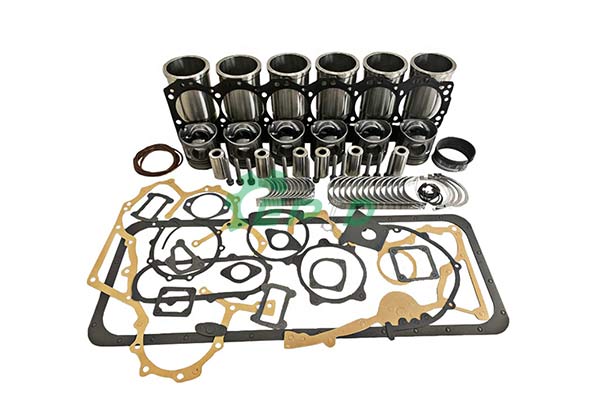
The oil pump is the heart of the lubrication system. It draws oil from the sump and pushes it under pressure to the main bearings, connecting rods, camshaft, and turbocharger. When pump output drops, friction rises quickly, and the first casualties are usually the bearings and cylinder liners. The water pump plays a similarly critical role on the cooling side, circulating coolant through the block, head, and radiator so that combustion heat is carried away before it distorts metal components.
Because both pumps are driven by the engine and work quietly in the background, their decline is gradual and easy to miss. A small pressure loss or a slow coolant weep often goes unnoticed until it becomes a breakdown. Treating yuchai oil pump water pump maintenance as a scheduled routine, rather than a reaction to failure, is the single most cost-effective habit for fleet uptime and engine longevity.
Routine Oil Pump Inspection Steps
Begin with oil pressure readings at idle and at rated speed, and compare them with the specification for your engine model. A mechanical gauge is more trustworthy than a dash indicator alone. While the engine is cool, check the oil level and condition; milky or heavily contaminated oil suggests coolant intrusion or neglected changes, both of which stress the pump. Listen for whining or ticking from the front cover area, and inspect the pump drive gear or belt for wear.
During scheduled service, remove the sump pan where accessible and check the oil pickup strainer for sludge and debris. A clogged strainer starves the pump and causes cavitation, which erodes the pump internals over time. If you are replacing a worn unit, match the component to your engine family precisely; for example, the Yuchai YC4108Q oil pump component is built for that specific application. Always prime a new pump before the first start.
Water Pump Inspection and Coolant Checks
Water pump problems usually announce themselves through coolant loss, overheating, or noise. Check the weep hole beneath the pump housing for drips, which indicate a failing shaft seal. With the engine off and cool, wiggle the fan or pulley to feel for bearing play, and inspect the drive belt for glazing, cracks, and correct tension. A squealing belt or a rumbling bearing is an early warning that should not be deferred.
Coolant chemistry matters as much as the hardware. Old or incorrect coolant turns acidic, attacks seals, and promotes scale that reduces heat transfer. Test the coolant concentration and pH at every major service, and flush the system on the interval your manual specifies. When the pump is removed, clean the mating surfaces carefully and fit a new gasket; a quality Yuchai M66 overhaul gasket kit for the YC6J125Z-T21 engine prevents the leaks that so often follow reassembly.
Warning Signs You Should Not Ignore
On the lubrication side, watch for a flickering oil pressure lamp at idle, pressure that falls as the engine warms, metallic debris in the oil, or a burning smell from overheated oil. On the cooling side, look for temperature gauges climbing under load, coolant streaks around the pump, heater performance that fades, and white exhaust smoke that suggests coolant entering the combustion chamber. Any of these symptoms deserves prompt investigation.
Ignoring early warnings rarely saves money. A failing water pump can seize and throw the belt, taking the alternator and fan with it, while a weak oil pump can score a crankshaft within minutes of sustained load. If you notice abnormal wear on liners or pistons during inspection, address the root cause in the lubrication or cooling system before fitting replacements such as a Yuchai YC6G270-30 cylinder liner.
Service Intervals and Lubrication Best Practices
Follow the maintenance schedule for your specific Yuchai model, and shorten intervals in dusty, hot, or heavily loaded duty cycles. As a general rule, change engine oil and filters at the manual interval, inspect the oil pickup and pressure at every other oil change, and check coolant condition at least twice a year. Keep records of pressure readings so you can spot trends before they become failures.
Use oil with the correct viscosity grade and API classification for your engine and climate, and never mix brands casually. Genuine or high-quality filters matter because a collapsing filter sends debris straight to the pump. During top-end or major work, renew seals and gaskets rather than reusing old ones, and confirm that pistons and rings are matched to the block; the Yuchai YC6108G-340-1004001 piston repair kit is one example of correct-fit components for rebuilds.
Tools, Parts, and Record Keeping
A basic toolkit covers most of this work: a mechanical oil pressure gauge, a coolant hydrometer or refractometer, a belt tension gauge, a torque wrench, and clean catch pans. Keep a supply of correct gaskets, seals, and O-rings on hand so that a routine inspection does not become a waiting game. Photograph disassembly steps and label fasteners; small details matter when reassembling pump drives and covers.
Record every pressure reading, coolant test, and part replacement with the date and engine hours. These records reveal slow declines in oil pressure or rising operating temperatures long before they cause downtime, and they help when ordering the right components. Consistent yuchai oil pump water pump maintenance, supported by accurate records, turns unpredictable repairs into planned, budget-friendly service events.
Frequently Asked Questions
How often should I check the oil pump and water pump?
Inspect oil pressure and coolant condition at every scheduled oil change, and perform a deeper check of the pickup strainer, pump seals, and belt at least twice a year or every 500 hours, whichever comes first. Severe duty cycles warrant shorter intervals.
What are the first signs of a failing water pump?
Look for coolant weeping from the weep hole, a rumbling or squealing bearing, pulley play, rising temperature under load, and repeated coolant top-ups. Addressing these early prevents belt failure and overheating damage.
Can I replace the oil pump without rebuilding the engine?
Yes, in many cases the pump can be replaced as a standalone service if the bearings and journals are still within specification. Confirm oil pressure and inspect for debris before deciding, and always prime the new pump before starting the engine.
Source Quality Yuchai Pump Parts Today
Protect your engine with correct-fit components and expert support. Explore the full range of genuine and aftermarket options at our Yuchai diesel engine parts hub to find pumps, gaskets, liners, and pistons for your model, and keep your yuchai oil pump water pump maintenance on schedule.


