The Weichai WP10, WP12 and WP13 family shares one basic architecture, which is exactly why so many workshops misidentify an engine before ordering parts. A quick visual check of the block, the nameplate and a few external components is usually enough to tell a weichai wp12 from its smaller and larger siblings. This guide walks through the practical differences so you can confirm the model before you buy.
Why Correct Engine Identification Matters
Weichai built the WP series in huge volumes for trucks, buses, construction equipment and generator sets. Because the three displacements share bellhousing patterns, mounting points and many accessories, a wrong guess can lead to a camshaft, crankshaft or piston kit that simply will not fit. Getting the model right protects both your budget and your downtime.
The differences are not only in displacement. Bore and stroke change between the WP10, the weichai wp12 and the WP13, and that changes piston diameter, connecting rod length and crankshaft stroke. Even where parts look similar, the tolerances and balancing are matched to the specific model, so the nameplate is your first and best reference.
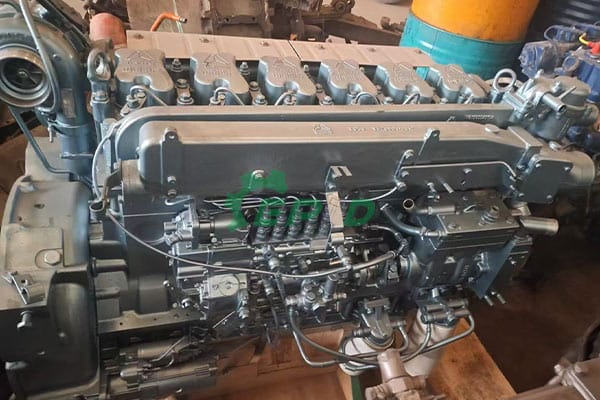
Weichai WP10: The Compact Six-Cylinder
The WP10 is the smallest of the three, with roughly 9.7 litres of displacement. It is common in medium-duty trucks, city buses and smaller construction machines where fuel economy matters more than maximum torque. Its block is visibly shorter in overall length than the WP12, and the intake and exhaust manifolds sit closer together.
When checking a WP10, look at the engine tag on the side of the block and the casting marks near the oil cooler. The WP10 often uses a different front gear housing shape than the larger models. If you are comparing it with a weichai wp12, the WP10 will generally have a narrower footprint and a lighter flywheel housing.
Weichai WP12: The Workhorse of the Range
The weichai wp12 displaces about 11.6 litres and is the most widely used engine in the family for heavy trucks and vocational equipment. It balances strong torque with reasonable fuel consumption, which is why it appears in so many fleets. The block is longer than the WP10 and the cylinder head is noticeably wider across the top.
For the WP12, the engine nameplate is usually mounted on the right side of the block near the oil filter housing. The casting number on the block and the tag on the injection pump are the fastest confirmation points. If you are rebuilding one, matching the correct Weichai WP12 camshaft to the engine code avoids valve timing and wear problems later.
Weichai WP13: The Heavy-Duty Flagship
The WP13 is the largest of the three at around 12.5 litres. It is built for heavy haulage, mining trucks and high-load applications where maximum torque and durability are the priority. Externally, the WP13 block is the longest of the group, and the cylinder head and valve cover are wider still than the WP12.
Because the WP13 shares so much with the WP12, identification by eye alone can be misleading. The most reliable method is to read the engine tag and cross-check the displacement stamped on it. When you need to replace major components, order from a dedicated Weichai WP13 parts listing so the bore, stroke and balancing match the engine exactly.
Visual Clues That Separate the Three Models
Start with overall block length and cylinder head width. The WP10 is the shortest and narrowest, the weichai wp12 sits in the middle, and the WP13 is the longest and widest. Look at the shape of the front gear cover, the position of the oil cooler, and the size of the flywheel housing, since these often differ between displacements.
Next, check the intake manifold routing and the turbocharger mounting flange. On many WP12 and WP13 engines the turbo sits in a similar location, but the flange size and downpipe angle can differ. Photograph the engine tag and any casting numbers before you call a supplier, because those details settle the question faster than any visual comparison.
Reading the Engine Nameplate and Casting Numbers
Every Weichai engine carries a nameplate with the model code, serial number and often the displacement. The plate is typically riveted to the side of the block or fitted near the injection pump. Clean it gently and photograph it in good light; the stamped characters are your definitive identification.
Casting numbers on the block, cylinder head and crankshaft add a second layer of confirmation. Record them alongside the nameplate data. When ordering a Weichai WP12 crankshaft, for example, the supplier can match the casting reference to the correct stroke and journal sizes.
Parts That Differ Between WP10, WP12 and WP13
The most critical differences are internal: piston diameter, connecting rod length, crankshaft stroke and camshaft profile. A piston kit that fits a WP10 will not fit a WP13, and even within one model there can be variants by emission stage. Always confirm the engine code before ordering a Weichai piston kit or any other major assembly.
External parts also vary. Turbochargers, injection pumps, oil coolers and flywheel housings are matched to the displacement and the application. A part that looks identical on the bench may have a different flow rate or mounting angle. Cross-checking the engine code against the parts listing is the only safe habit.
A Simple Checklist Before You Order
Before you buy, gather four things: a clear photo of the engine nameplate, the casting numbers from the block and head, the application (truck, bus, generator or machine), and the emission stage if known. With those details, any supplier can confirm whether your engine is a WP10, a weichai wp12 or a WP13.
Keep the photos on file for future service. If the nameplate is missing or unreadable, measure the bore and stroke or consult a dealer with the serial number. A few minutes of checking now prevents a costly return later.
Frequently Asked Questions
How can I tell a Weichai WP12 from a WP13?
The quickest way is the engine nameplate, which lists the model and displacement. Visually, the WP13 block is longer and the cylinder head is wider, but because the two share many external features, always confirm with the stamped engine code before ordering parts.
Is the Weichai WP12 the same as the WP10?
No. The WP10 displaces about 9.7 litres and the weichai wp12 about 11.6 litres, so pistons, crankshaft stroke and many external components differ. They share a family architecture, but parts are not interchangeable between the two models.
Where is the engine number located on a Weichai WP engine?
The nameplate is usually riveted to the side of the cylinder block, often near the oil filter housing or injection pump. Clean the plate and photograph it in good light, then cross-check the stamped casting numbers on the block and head for confirmation.
Ready to confirm your model and find the right components? Browse the full Weichai diesel engine parts range at EPID Diesel Engine Parts and match your engine code with confidence.


