Why Bearings and Gaskets Are Critical for Yuchai Engines
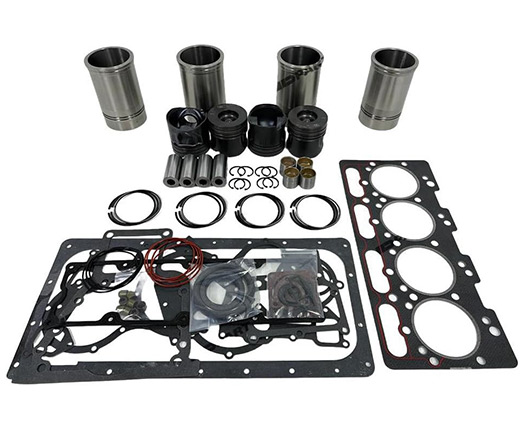
When it comes to maintaining the reliability and longevity of your Yuchai diesel engine, bearings and gaskets play a pivotal role. Bearings support rotating components like the crankshaft and connecting rods, reducing friction and wear, while gaskets seal mating surfaces to prevent leaks of oil, coolant, and combustion gases. Neglecting these components can lead to catastrophic engine failure. This yuchai engine bearings gaskets guide will walk you through everything you need to know to make informed decisions and keep your Yuchai running smoothly.
Yuchai engines are known for their durability and performance in demanding applications, from trucks to construction equipment. However, even the toughest engines require timely replacement of wear items. Bearings and gaskets are among the most commonly replaced parts during overhaul. Understanding their function, recognizing wear signs, and choosing the right parts are essential steps in any maintenance plan. Whether you’re a seasoned mechanic or a fleet owner, this guide aims to provide practical insights to help you navigate the buying process with confidence.
Types of Bearings Used in Yuchai Engines
Yuchai diesel engines utilize several types of bearings, each designed for specific loads and operating conditions. The main bearings support the crankshaft within the engine block, while connecting rod bearings sit between the rod and the crankshaft journal. Thrust bearings control axial movement of the crankshaft, preventing excessive end play. Camshaft bearings, though less commonly replaced, also wear over time. Each type has distinct material compositions and design features to handle the high pressures and temperatures inside a diesel engine.
When selecting bearings, it’s crucial to match the specifications to your engine model. Yuchai offers a range of bearings for different series, including the YC4D, YC6J, and YC6108, among others. Using the wrong bearing can lead to premature failure or damage to the crankshaft. For instance, the Yuchai crankshaft thrust bearing is engineered to withstand axial forces and ensure proper crankshaft positioning. Always refer to your engine’s service manual for the correct part numbers and specifications.
Gasket Sets: Sealing the Engine Properly
Gaskets are the unsung heroes of engine sealing, preventing leaks and maintaining compression. A typical Yuchai engine uses a head gasket, oil pan gasket, valve cover gasket, and various other seals. Head gaskets, in particular, must withstand extreme temperatures and pressures from combustion. Over time, gaskets can degrade due to heat cycling, chemical exposure, and mechanical stress, leading to leaks and loss of performance. A complete gasket set is often the best solution during an overhaul, as it includes all necessary seals for a comprehensive rebuild.
For example, the Yuchai YC4D130 overhaul kit with gasket set provides all the seals needed for a thorough engine refresh, ensuring compatibility and reliability. Similarly, the Yuchai M66 overhaul gasket for YC6J125Z-T21 engine is tailored for that specific model, offering precise fit and durable materials. When buying gaskets, always opt for genuine or high-quality aftermarket sets that meet or exceed OEM specifications to avoid recurring leaks and engine damage.
Signs That Your Bearings and Gaskets Need Replacement
Recognizing the symptoms of worn bearings and gaskets can save you from costly repairs down the line. Bearing wear often manifests as unusual knocking noises, especially during acceleration or under load. Low oil pressure, metal particles in the oil, and excessive vibration are also red flags. If you notice these signs, it’s best to inspect the bearings promptly. Ignoring them can lead to scored crankshaft journals or even a seized engine.
Gasket failure typically shows as leaks—oil spots under the vehicle, coolant loss, or exhaust smoke. A blown head gasket may cause overheating, white smoke from the exhaust, or bubbles in the radiator. Sometimes, gaskets leak internally, mixing oil and coolant, which can quickly damage engine components. Regular inspections and oil analysis can help detect early signs of wear. If you suspect any of these issues, consult a qualified mechanic and replace the affected components using quality parts from reputable suppliers.
How to Choose the Right Bearings and Gaskets for Your Yuchai
Choosing the correct bearings and gaskets begins with identifying your engine model and serial number. Yuchai produces many variants, and parts are not always interchangeable. Always cross-reference the part numbers with your engine’s documentation. Consider the material quality: high-quality bearings often use tri-metal construction for superior load capacity and fatigue resistance, while gaskets should be made from multi-layer steel (MLS) or composite materials that withstand high temperatures.
It’s also wise to purchase from a trusted supplier who specializes in Yuchai parts. Look for vendors who provide detailed product descriptions, clear images, and technical support. Reading customer reviews and checking warranties can further guide your decision. For instance, when replacing pistons and related components, you might need the Yuchai YC6108G 340-1004001 piston diesel engine repair kits to ensure a complete rebuild. Remember, cheap parts can cost more in the long run if they fail prematurely.
Installation Tips for Bearings and Gaskets
Proper installation is key to maximizing the life of your new bearings and gaskets. For bearings, ensure the journals are clean and within tolerance. Use a micrometer to measure clearances and apply assembly lube to prevent dry starts. Torque specifications must be followed precisely, and bolts should be tightened in the correct sequence. For gaskets, clean all mating surfaces thoroughly, removing old gasket material without scratching the metal. Use a straightedge to check for warping, especially on cylinder heads and blocks.
When installing gaskets, avoid using excessive sealant unless specified; many modern gaskets are designed to seal without additional compounds. For head gaskets, ensure the head bolts are in good condition and torqued in stages. After installation, run the engine and check for leaks, and retorque if necessary. Following these steps will help prevent premature failure and ensure a reliable seal. Always refer to the service manual for specific procedures and torque values for your Yuchai engine model.
Common Mistakes to Avoid When Buying Yuchai Bearings and Gaskets
One common mistake is purchasing based solely on price. While it’s tempting to save money, low-quality bearings and gaskets often lead to repeated failures and expensive downtime. Another mistake is mismatching parts—using bearings designed for a different engine variant can cause catastrophic damage. Always verify part numbers and compatibility. Additionally, some buyers overlook the importance of replacing all related components during an overhaul, such as oil seals and fasteners, which can compromise the rebuild.
Another pitfall is improper storage: bearings and gaskets should be kept in a clean, dry environment to prevent contamination and degradation. Installing them in a dirty workspace can introduce debris that damages the engine. Finally, neglecting to follow proper installation procedures, such as using the wrong torque or sequence, can lead to immediate failure. By avoiding these mistakes, you’ll ensure your Yuchai engine performs reliably for years to come.
Frequently Asked Questions
How often should I replace bearings and gaskets in my Yuchai engine?
Replacement intervals depend on usage and maintenance, but generally, bearings and gaskets are replaced during major overhauls, often every 8,000 to 10,000 hours for industrial applications. Regular oil analysis and inspections can help determine the right time.
Can I use aftermarket bearings and gaskets for my Yuchai engine?
Yes, high-quality aftermarket parts that meet or exceed OEM specifications are acceptable. However, ensure they come from reputable manufacturers and are compatible with your specific engine model to avoid performance issues.
What are the signs of a failing head gasket in a Yuchai engine?
Common signs include overheating, white smoke from the exhaust, coolant loss, oil contamination, and bubbles in the radiator. If you notice these symptoms, stop driving and inspect the head gasket immediately to prevent further damage.
For a complete selection of Yuchai engine bearings, gaskets, and other components, visit our Yuchai engine parts hub to find the right parts for your engine model.


