Understanding HS Codes for Diesel Engine Parts
When exporting diesel engine parts, the Harmonized System (HS) code is your key to smooth customs clearance. The diesel engine parts HS code is a standardized numerical classification used globally to identify products for trade. For Weichai engine components, correct classification ensures compliance, accurate duty calculation, and faster processing at borders. Without it, shipments risk delays, fines, or even seizure.
The HS code system is maintained by the World Customs Organization and updated periodically. Most diesel engine parts fall under Chapter 84 (machinery and mechanical appliances), but specific codes vary by part type. Understanding these codes is essential for exporters, freight forwarders, and customs brokers. This guide focuses on Weichai parts, but the principles apply universally.
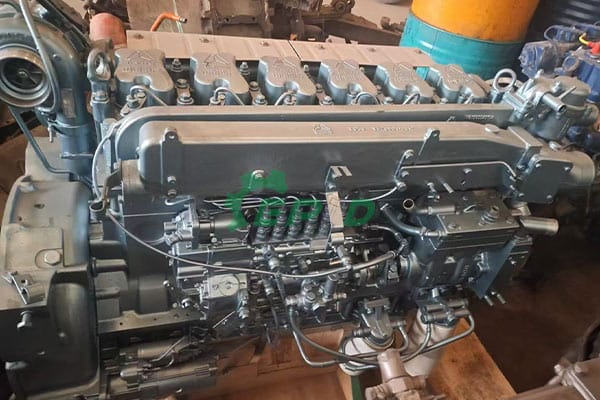
Why the Correct HS Code Matters for Weichai Exports
Using the wrong HS code can lead to customs holds, unexpected tariffs, or penalties. For Weichai diesel engine parts, accurate classification streamlines clearance and reduces costs. It also ensures you benefit from any trade agreements or preferential duty rates. Customs authorities rely on HS codes to assess risk and verify compliance with regulations.
Moreover, correct HS codes facilitate data collection for trade statistics and help you maintain a clean compliance record. As a Weichai parts exporter, your reputation depends on reliable shipments. Investing time in proper classification pays off in the long run by minimizing disruptions and building trust with buyers.
Common HS Codes for Diesel Engine Parts
Diesel engine parts are generally classified under HS heading 8408 for compression-ignition engines, and 8409 for parts suitable for use solely or principally with such engines. However, specific components may fall under different codes. For example, gaskets might be classified under 8484, while pistons under 8409.99. It’s crucial to consult your local customs authority or a classification expert for precise codes.
Weichai parts such as the WD615 full gasket kit often use HS code 8484.90, while the WD618 engine overhaul repair kit may be classified under 8409.99. Always verify with your customs broker to avoid misclassification.
Step-by-Step Guide to Classifying Your Parts
Start by identifying the part’s function and material. For instance, a Weichai WP12 crankshaft is a critical engine component, likely classified under 8483.10 for crankshafts. Next, consult the HS nomenclature and explanatory notes. Use online databases or seek a binding ruling from customs for certainty.
Document your classification rationale and keep records. This is especially important for complex assemblies like the Weichai piston kit WD615E2, which might be classified under 8409.99. When in doubt, ask a licensed customs broker. They can help you navigate the nuances and avoid costly errors.
Documentation Requirements for Export
Accurate HS codes must be reflected on all export documents, including the commercial invoice, packing list, and bill of lading. Discrepancies can trigger inspections and delays. For Weichai parts, ensure the invoice clearly describes each item and its HS code. Some countries also require a certificate of origin to claim preferential tariffs.
Keep supporting documents like technical specifications and material declarations handy. These help customs verify the classification. If you’re shipping multiple parts, group them by HS code on the invoice for clarity. Proper documentation is your best defense against customs disputes.
Avoiding Common Classification Mistakes
One frequent error is using a general code for all engine parts. Each component may have a specific code, and misclassification can lead to penalties. Another mistake is ignoring country-specific tariff schedules, which can vary from the global HS code. Always check the destination country’s requirements.
Also, beware of outdated codes. HS codes are revised every five years, and the latest version should be used. For Weichai exports, stay informed about changes that affect diesel engine parts. Regularly review your classifications with your customs broker to ensure ongoing compliance.
How HS Codes Affect Shipping and Tariffs
The HS code determines the duty rate and any applicable taxes. For diesel engine parts, rates vary by country and trade agreements. Using the correct code ensures you pay the right amount and avoid overpaying or underpaying. It also affects eligibility for free trade zone benefits or duty drawback programs.
Additionally, some countries impose anti-dumping duties or safeguard measures on certain engine parts. Knowing the HS code helps you anticipate these costs. For Weichai parts, check if your destination country has any specific trade remedies in place. This foresight allows you to price competitively and avoid surprises.
Leveraging HS Codes for Competitive Advantage
Accurate HS codes can be a competitive differentiator. They enable faster clearance, reducing lead times and improving customer satisfaction. They also help you build a reputation for reliability and compliance, which is crucial in the automotive parts industry. Moreover, correct codes facilitate smoother logistics and inventory management.
By mastering the diesel engine parts HS code, you can streamline your export operations and focus on growing your business. Use the code as a strategic tool to enhance efficiency and reduce risks. This is especially important when exporting high-value components like Weichai engines and parts.
Frequently Asked Questions
What is the HS code for diesel engine parts?
The HS code for diesel engine parts varies by component. Most fall under HS heading 8409 (parts for compression-ignition engines), but specific parts like gaskets (8484) or crankshafts (8483) have different codes. Always verify with a customs expert.
How do I find the correct HS code for my Weichai part?
Start by identifying the part’s function and material, then consult the HS nomenclature or use a customs broker. You can also request a binding ruling from your local customs authority for certainty.
What happens if I use the wrong HS code?
Using an incorrect HS code can result in customs delays, fines, or seizure of goods. It may also lead to incorrect duty payments. Always ensure accuracy to avoid penalties and maintain compliance.
For a complete range of Weichai diesel engine parts, visit our Weichai engine parts hub to explore our catalog and ensure you have the right components for your export needs.


