Why Yuchai Oil Pump Water Pump Maintenance Matters
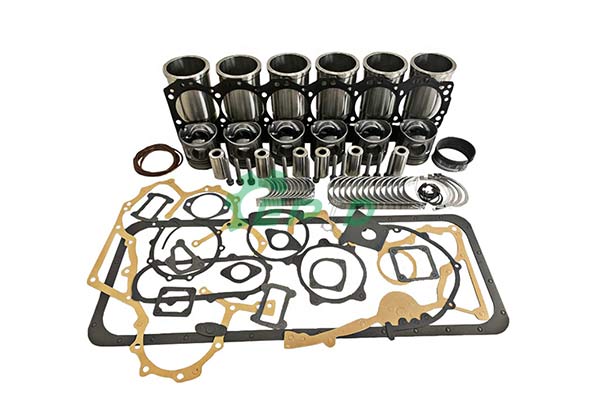
Yuchai diesel engines are renowned for their durability and performance in demanding applications, from trucks to industrial machinery. However, like any complex machine, they require regular maintenance to ensure optimal operation. Among the most critical components are the oil pump and water pump. The oil pump circulates lubricant to reduce friction and wear, while the water pump maintains coolant flow to prevent overheating. Neglecting yuchai oil pump water pump maintenance can lead to catastrophic engine failure, costly repairs, and downtime.
In this guide, we will explore the importance of these components, provide step-by-step maintenance procedures, and offer troubleshooting tips. Whether you are a fleet manager or a do-it-yourself enthusiast, understanding how to care for your Yuchai oil pump and water pump will extend the life of your engine and improve its efficiency.
Understanding the Role of the Oil Pump
The oil pump is the heart of your engine’s lubrication system. It draws oil from the sump and forces it through the oil filter and into the engine’s galleries, ensuring all moving parts receive a steady supply of oil. In Yuchai engines, the oil pump is typically gear-driven or rotor-type, designed to withstand high pressures and temperatures. Without proper lubrication, metal components would grind against each other, leading to rapid wear and potential seizure.
Regular yuchai oil pump maintenance involves checking oil pressure, inspecting for leaks, and ensuring the pump is free from debris. A failing oil pump can manifest as low oil pressure, unusual engine noises, or overheating. By catching these signs early, you can prevent major damage. For those needing replacement parts, explore our Yuchai YC4108Q oil pump component for reliable performance.
Understanding the Role of the Water Pump
The water pump, also known as the coolant pump, is responsible for circulating coolant through the engine block, radiator, and heater core. This circulation dissipates heat generated during combustion, maintaining optimal operating temperature. Yuchai water pumps are engineered for high flow rates and durability, often featuring sealed bearings and robust impellers. A malfunctioning water pump can cause overheating, coolant leaks, and even warped cylinder heads.
Yuchai water pump maintenance includes checking for leaks, inspecting the drive belt, and ensuring the pump spins freely. Coolant quality also plays a significant role; using the correct mixture and flushing the system periodically prevents corrosion and scale buildup. If you notice coolant leaks or hear whining noises from the pump, it may be time for a replacement. Our Yuchai M66 overhaul gasket kit includes seals that can help address leaks during pump service.
Routine Inspection Checklist
Performing regular inspections is the cornerstone of yuchai oil pump water pump maintenance. For the oil pump, start by checking the oil level and condition; dark or gritty oil indicates the need for an immediate change. Use a mechanical oil pressure gauge to verify pressure at idle and under load. Compare readings to Yuchai specifications. Inspect the oil pump drive gear or belt for wear, and check for external leaks around the pump housing and oil pan.
For the water pump, inspect the coolant level and condition; a rusty or oily appearance suggests contamination. Look for coolant stains around the pump, hoses, and radiator. With the engine off, attempt to wiggle the fan or pulley to check for bearing play. Start the engine and listen for grinding or rumbling noises from the pump area. Also, verify that the drive belt is properly tensioned and free of cracks. Record all findings in a maintenance log to track trends over time.
Common Issues and Troubleshooting
Oil pump problems often stem from contaminated oil or a clogged pickup screen. Symptoms include low oil pressure warning lights, lifter noise, and increased engine temperature. If you suspect a failing oil pump, do not continue running the engine; have it diagnosed by a professional. In some cases, the pressure relief valve may stick, causing excessively high pressure that can damage seals. Always use genuine Yuchai filters and high-quality oil to prevent these issues.
Water pump failures typically present as coolant leaks, overheating, or a noisy bearing. A leaking weep hole indicates a failed seal, while a loose bearing can cause the fan to wobble. Overheating may also result from a stuck thermostat or a blocked radiator, so diagnose systematically. If the pump is faulty, replacement is usually more cost-effective than rebuilding. Ensure you use the correct coolant type and bleed the system properly after installation. For major overhauls, consider our Yuchai YC6G270-30 cylinder liner to restore compression and performance.
Step-by-Step Maintenance Procedures
To maintain the oil pump, begin by warming the engine and draining the oil. Replace the oil filter and refill with the recommended grade. If the pump is accessible, remove the inspection cover and check the rotor or gears for scoring. Clean the pickup screen with solvent and compressed air. Reinstall the cover with a new gasket. For the water pump, drain the cooling system and remove the drive belt. Unbolt the pump and carefully scrape away old gasket material. Install a new pump with a fresh gasket, torque bolts to specification, and refill with a 50/50 coolant mix.
After reassembly, run the engine and check for leaks. Monitor oil pressure and coolant temperature to ensure everything is within spec. Dispose of old fluids responsibly. For those undertaking a full rebuild, our Yuchai YC6108G-340 piston repair kit provides essential components to complete the job.
Choosing Quality Parts for Longevity
When replacing oil or water pumps, always opt for genuine or high-quality aftermarket parts designed specifically for Yuchai engines. Inferior parts may not meet the same tolerances and can fail prematurely, leading to expensive damage. Look for pumps with durable materials, such as cast iron housings and stainless steel impellers, and ensure they come with a warranty. At EPID Diesel Engine Parts, we offer a wide range of Yuchai components that meet or exceed OEM standards.
Proper installation is equally important. Use the correct tools, follow torque specifications, and replace associated gaskets and seals. Consider replacing the timing belt or drive belt if it shows wear. Keeping a spare oil pump and water pump on hand can minimize downtime during critical operations. Regular yuchai oil pump water pump maintenance, combined with quality parts, ensures your engine runs smoothly for years.
Frequently Asked Questions
How often should I inspect my Yuchai oil pump and water pump?
Inspect both pumps at every oil change interval, or at least every 500 hours of operation. For heavy-duty use, shorten the interval to 250 hours. Always check for leaks, unusual noises, and performance issues.
What are the signs of a failing water pump?
Common signs include coolant leaks under the engine, overheating, a whining or grinding noise from the front of the engine, and a loose fan or pulley. If you notice any of these, have the pump inspected immediately.
Can I use aftermarket parts for Yuchai oil pump water pump maintenance?
Yes, but choose reputable aftermarket brands that meet or exceed OEM specifications. Cheap, low-quality parts may fail prematurely and cause engine damage. Always purchase from a trusted supplier like EPID Diesel Engine Parts.
For all your Yuchai engine parts needs, visit our Yuchai engine parts hub to explore our comprehensive catalog and ensure your engine stays in top condition.


