Why a Reliable Yuchai Engine Parts Catalog Matters
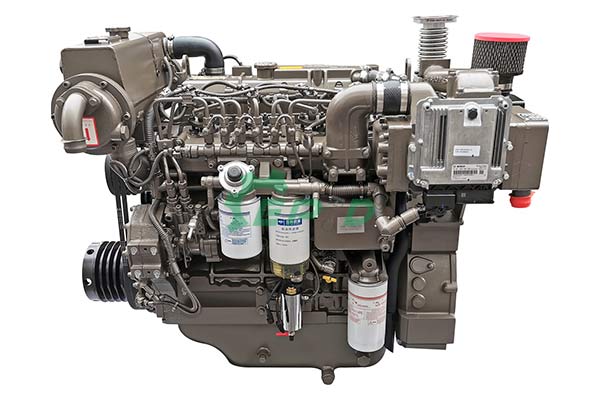
Yuchai diesel engines power a huge range of trucks, buses, generators and industrial machines, and keeping them running depends on fitting the right components the first time. A well-organised yuchai engine parts catalog turns a confusing repair into a straightforward job by grouping pistons, liners, gaskets, pumps and complete overhaul kits by engine family and application. Whether you maintain a single genset or a fleet of haulage trucks, knowing how the catalog is structured saves time and prevents costly mis-orders.
This guide explains how to navigate the catalog, what each major component category covers, and how to confirm that a part suits your specific Yuchai model before you buy. The aim is simple: help you order with confidence, reduce downtime and keep your diesel engine performing at its original specification.
Understanding How the Catalog Is Organised
A good yuchai engine parts catalog is arranged by engine series first, then by system and component group. Popular families such as the YC6108G, YC4D130 and YC4108Q each have their own sections covering piston assemblies, cylinder liners, gasket sets, oil pumps and full repair kits. Within each section, listings describe the component type, the engine model it fits and the assembly it belongs to, so you can work from the top down rather than guessing.
Most buyers start with the engine model plate, then move to the relevant system. If you are rebuilding the top end, you look under pistons and gaskets; if you are chasing low oil pressure, you look under the lubrication system. Learning this structure is the fastest way to use the catalog efficiently and to compare options such as individual components versus complete kits.
Pistons, Liners and Cylinder Components
Pistons and liners are the heart of any rebuild, and the catalog lists them as matched assemblies wherever possible. For example, the YC6108G piston and diesel engine repair kit pairs the piston with rings and related hardware so that bore clearances and compression ratios stay correct. Ordering matched sets removes the risk of mixing components from different production batches.
When selecting piston components, confirm the engine model, bore size and the piston design used in your build. The catalog descriptions help you cross-check these details, and a quick measurement of the old piston before ordering is always worthwhile. Correctly matched pistons and liners restore compression, reduce oil consumption and extend the service life of the engine.
Gasket Sets and Sealing Solutions
Gaskets are inexpensive parts that cause expensive failures when they are wrong. The catalog groups head gaskets, sump gaskets, manifold seals and small O-rings into complete sets so that a single order covers an entire repair. A typical example is the YC4D130 overhaul kit with gasket set, which bundles the sealing components needed for a full teardown and reassembly.
Using a complete gasket set rather than individual seals reduces the chance of a missing item halfway through a rebuild. Check the catalog entry against your engine model and note whether the set is intended for a top-end repair or a full overhaul. Storing gaskets flat and clean before installation also helps ensure a proper seal on reassembly.
Complete Overhaul Kits for Major Repairs
When an engine needs more than a single component, complete overhaul kits offer the most practical route. The catalog lists kits that combine liners, pistons, rings, gaskets and bearings in one package, such as the YC6108G liner kit and piston kit repair bundle. Buying as a kit keeps component tolerances consistent and simplifies planning for a workshop rebuild.
Overhaul kits are especially useful for fleets, where several engines may be rebuilt over a season. Ordering the same kit for each unit standardises parts stock and simplifies training for technicians. Always confirm the kit contents in the catalog description so you know exactly which components are included and which, such as injectors or turbochargers, must be sourced separately.
Pumps, Lubrication and Auxiliary Parts
Lubrication and fuel system components are listed in their own catalog sections because they are replaced on different schedules. Oil pumps, for instance, are typically renewed during a rebuild or when pressure readings fall outside specification. The YC4108Q oil pump component is a good example of a catalog entry that identifies the engine family and the function of the part clearly.
When ordering pumps and auxiliary parts, match the engine model and check the mounting and drive arrangement shown in the listing. Replacing a worn oil pump during a rebuild protects new bearings and liners from oil starvation. Keeping a small stock of common auxiliary parts on hand also shortens downtime for routine maintenance.
How to Match Parts to Your Engine Model
The most important step in using any yuchai engine parts catalog is confirming the engine model. The model plate usually sits on the block or rocker cover and gives the series designation, such as YC6108G or YC4D130, along with a serial number. Record these details before searching the catalog, because the same component type can differ significantly between engine families.
Once you have the model, compare the catalog description against the old part where possible. Photographs, dimensions and assembly references all help confirm a match. If anything is unclear, ask the supplier to verify the listing against your engine details before dispatch; a short check now avoids a return later.
Ordering Tips and Quality Checks
Ordering from a specialist supplier gives you access to catalog listings that are organised specifically for diesel repair work. Check that listings mention the engine series, the component group and the assembly context, and prefer suppliers who publish clear descriptions rather than vague part references. Ordering complete kits where available usually gives better value and consistency than assembling individual parts.
On receipt, inspect components for damage and confirm that the quantities match the catalog description. Store pistons, liners and gaskets in clean, dry conditions until installation. Following the engine manufacturer’s torque sequences and clearances during assembly is just as important as choosing the right parts.
Frequently Asked Questions
How do I find the right parts in the Yuchai engine parts catalog?
Start with the engine model plate, then use the catalog sections for pistons, gaskets, pumps or overhaul kits that match your engine series. Compare the listing description with the old component before ordering.
Should I buy individual components or a complete overhaul kit?
If only one part has failed, an individual component may be enough. For a full rebuild or when several wear items are due, a complete kit keeps tolerances consistent and simplifies ordering.
Can I use the same catalog listing for different Yuchai engine models?
No. Parts are listed for specific engine families, and similar-looking components may differ in dimensions or design. Always confirm the model designation before ordering.
Ready to find the right components? Browse the full Yuchai engine parts catalog to compare pistons, gasket sets, overhaul kits and pumps, and order the parts your engine needs.


