If you have ever opened the hood of a diesel truck or piece of heavy equipment, you know how complex the engine looks. A diesel engine parts diagram is an essential tool for anyone who wants to understand what is under the hood. It labels each component and shows how they fit together. In this article, we break down the names and functions of the key parts shown in a typical diesel engine parts diagram, with a focus on Yuchai engines, a brand trusted by mechanics worldwide.
Why a Diesel Engine Parts Diagram Matters
A diesel engine parts diagram is more than a poster on a workshop wall. It is a roadmap that helps technicians and DIY enthusiasts identify parts quickly. When you can see how the piston, cylinder liner, and cylinder head relate to each other, diagnosing problems becomes faster. For Yuchai engine owners, having a reliable diagram means you can order the right replacement parts the first time.
Moreover, a diagram aids in maintenance planning. By understanding the layout, you can anticipate which parts wear out together. For example, when replacing a piston, it is wise to inspect the cylinder liner and rings. This proactive approach saves time and money, reducing downtime for your equipment.
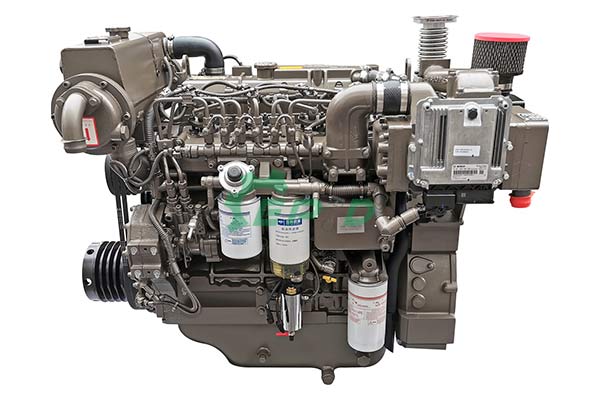
Major Components in a Diesel Engine Parts Diagram
A standard diesel engine parts diagram highlights several major components: the cylinder block, cylinder head, pistons, connecting rods, crankshaft, camshaft, and valves. Each plays a critical role in converting fuel into power. The cylinder block is the foundation, housing the cylinders and supporting other parts. The cylinder head sits on top, containing the combustion chambers and valve train.
Pistons move up and down within the cylinders, compressing the air-fuel mixture. Connecting rods link pistons to the crankshaft, which converts linear motion into rotational motion. The camshaft controls valve timing, ensuring air enters and exhaust exits at the right moment. Understanding these names and functions is the first step in mastering diesel engine repair.
Pistons and Cylinder Liners: The Heart of Combustion
In any diesel engine parts diagram, pistons and cylinder liners are central to the combustion process. Pistons are precision-machined components that withstand extreme heat and pressure. They transfer force from combustion to the crankshaft. Cylinder liners, also called sleeves, provide a smooth surface for pistons to slide against, and they protect the engine block from wear.
For Yuchai engines, high-quality replacements are crucial. For instance, the Yuchai YC6108G-340 piston repair kit ensures a perfect fit and durability. Similarly, the YC6G270-30 cylinder liner is designed to meet original specifications, extending engine life. These parts are often replaced together during an overhaul.
Cylinder Head and Valves: Controlling Air and Fuel Flow
The cylinder head sits atop the engine block and houses the valves, injectors, and combustion chambers. In a diesel engine parts diagram, you will see intake and exhaust valves, which open and close to let air in and exhaust out. The camshaft, driven by the timing belt or chain, actuates these valves. Proper sealing is critical; a blown head gasket can lead to overheating and loss of power.
Valve clearance must be adjusted periodically to maintain performance. Worn valve guides or seats can cause compression loss. When servicing the cylinder head, always use new gaskets and seals. A complete Yuchai YC4D130 overhaul kit with gasket set includes all necessary seals for a leak-free reassembly.
Fuel System Components: Delivering the Power
The fuel system in a diesel engine parts diagram includes the fuel tank, fuel pump, fuel filter, injection pump, and injectors. Diesel fuel is injected directly into the combustion chamber at high pressure. The injection pump meters the fuel and delivers it to the injectors at the precise moment. Injectors atomize the fuel into a fine mist for efficient combustion.
Contamination is the enemy of the fuel system. Regularly replace fuel filters and use clean fuel. A faulty injector can cause rough idling, misfires, or black smoke. When replacing fuel system parts, always refer to your engine’s diagram to ensure compatibility. For Yuchai engines, genuine parts guarantee optimal performance and emissions compliance.
Lubrication and Cooling Systems: Keeping Things Cool
The lubrication system, shown in a diesel engine parts diagram, comprises the oil pump, oil filter, oil cooler, and oil galleries. Engine oil reduces friction and carries away heat. The oil pump circulates oil under pressure to all moving parts. A clogged oil filter can starve the engine of oil, leading to catastrophic failure.
The cooling system includes the water pump, radiator, thermostat, and coolant passages. It maintains optimal operating temperature. Overheating can warp the cylinder head or seize the pistons. Regular maintenance of both systems is vital. Check oil levels daily and replace coolant as recommended. A diagram helps locate these components quickly during service.
Bottom End Components: Crankshaft, Bearings, and Connecting Rods
The bottom end of a diesel engine parts diagram features the crankshaft, main bearings, connecting rod bearings, and flywheel. The crankshaft converts the up-and-down motion of pistons into rotation. Main bearings support the crankshaft, while connecting rod bearings link the rods to the crankshaft journals. These bearings are precision-fit and rely on a constant oil supply.
Worn bearings cause knocking noises and low oil pressure. During an overhaul, replace all bearings and check crankshaft journal dimensions. Using a complete Yuchai YC6108G-340 overhaul kit simplifies the process, as it includes pistons, liners, and bearings matched for your engine.
How to Read a Diesel Engine Parts Diagram
Reading a diesel engine parts diagram is straightforward once you know the symbols. Components are usually numbered, with a legend listing names and part numbers. Lines indicate how parts connect or fit together. Exploded views show the assembly order, which is helpful during disassembly and reassembly.
Start by identifying the major sections: cylinder head, block, and oil pan. Then drill down to subsystems like fuel or cooling. Always cross-reference with your engine’s service manual. For Yuchai engines, the diagram often includes torque specifications and clearance tolerances, ensuring you reassemble everything correctly.
Frequently Asked Questions
What is the most important part in a diesel engine?
While every component is essential, the piston and cylinder assembly is often considered the heart of the engine because it is where combustion occurs. However, without proper lubrication and cooling, even the best pistons will fail. Regular maintenance of all systems is key.
How often should I replace parts shown in the diagram?
Replacement intervals vary by part and operating conditions. Filters and oil are changed regularly, while pistons and liners last much longer. Refer to your owner’s manual for specific intervals. For Yuchai engines, follow the maintenance schedule to ensure longevity.
Where can I find genuine Yuchai engine parts?
EPID Diesel Engine Parts offers a wide range of genuine Yuchai components. Visit the Yuchai engine parts hub to browse pistons, liners, gasket kits, and overhaul kits. With worldwide shipping and expert support, EPID is your trusted partner for diesel engine repairs.


