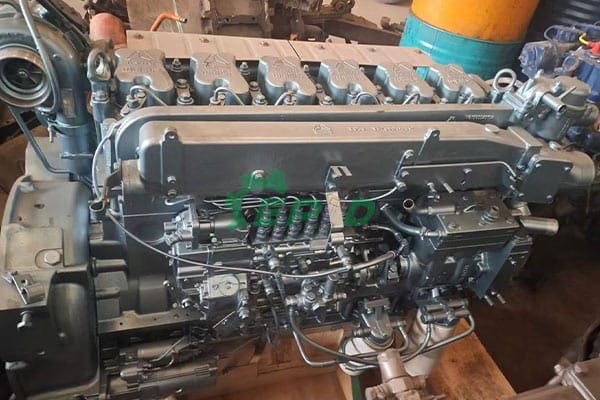
Performing a Weichai WP8 camshaft replacement is a critical maintenance task that can restore engine performance and prevent costly downtime. Whether you are a seasoned mechanic or a fleet maintenance technician, following the correct procedure ensures a successful outcome. This guide provides a step-by-step approach to replacing the camshaft on a Weichai WP8 diesel engine, covering preparation, removal, installation, and post-installation checks. By adhering to these steps, you can maintain the reliability and longevity of your engine.
Tools and Parts You Will Need
Before starting, gather all necessary tools and replacement parts. You will need a complete set of metric wrenches, sockets, a torque wrench, a camshaft locking tool, a dial indicator, and a puller for the camshaft gear. Additionally, have new gaskets, seals, and assembly lube on hand. It is crucial to use genuine or high-quality aftermarket parts to ensure proper fit and function. For the WP8, a new camshaft and related components such as bearings and lifters should be inspected and replaced if worn.
Ensure you have a clean, well-lit workspace and a safe way to lift the engine if needed. Safety glasses and gloves are recommended. Having the service manual for your specific WP8 engine model is also essential for torque specifications and sequences. Double-check that all parts match your engine’s serial number to avoid compatibility issues.
Preparation and Safety Precautions
Begin by disconnecting the battery to prevent electrical hazards. Drain the engine oil and coolant to avoid spills and contamination. Remove any components that obstruct access to the camshaft, such as the valve cover, timing gear cover, and radiator. Label and organize bolts and parts to simplify reassembly. It is also wise to take photos during disassembly for reference.
Rotate the engine to top dead center (TDC) on the compression stroke for cylinder number one. This aligns the timing marks and ensures proper camshaft positioning. Use the camshaft locking tool to secure the camshaft in place before removing the timing gear. Following these precautions minimizes the risk of damage to the engine and ensures a smooth replacement process.
Removing the Old Camshaft
With the engine prepared, start by removing the timing gear from the camshaft. Use a puller if necessary, being careful not to damage the gear teeth. Next, unbolt the camshaft bearing caps in the reverse order of the tightening sequence, typically from the ends toward the center. Keep the caps organized as they must be reinstalled in their original positions. Carefully lift the old camshaft out of the cylinder head, avoiding any scratches to the bearing journals.
Inspect the camshaft bearings and journals for wear, scoring, or discoloration. If the bearings are worn, they should be replaced. Clean the cylinder head and bearing surfaces thoroughly to remove any debris or old oil. This step is crucial to prevent contamination of the new camshaft. For reference, you can compare your old camshaft with a new Weichai WP8 camshaft to ensure it matches the original specifications.
Installing the New Camshaft
Before installation, apply assembly lube to the camshaft lobes and bearing journals. Carefully slide the new camshaft into the cylinder head, ensuring it rotates freely. Reinstall the bearing caps in their original positions and hand-tighten the bolts. Then, torque the bolts in the correct sequence to the specified torque value, usually in two or three stages. Use a torque wrench to avoid over-tightening, which can distort the caps.
Reinstall the timing gear and align the timing marks according to the service manual. Rotate the engine by hand to check for any binding or interference. If everything moves smoothly, proceed to reinstall the timing cover, valve cover, and other removed components. Refill the engine with fresh oil and coolant. Double-check that all connections are secure and no tools are left inside the engine.
Timing and Adjustment
Proper timing is critical for engine performance. After installing the camshaft, verify that the timing marks on the camshaft gear and crankshaft gear align perfectly. Use a dial indicator to check camshaft endplay, which should be within the manufacturer’s specifications. If the timing is off, adjust as necessary by loosening the gear and repositioning it.
For engines with variable valve timing, ensure that the phaser is correctly installed and timed. Consult the service manual for specific procedures. Incorrect timing can lead to poor performance, rough idling, or even engine damage. Take your time to get it right. If you are also replacing other components, such as the Weichai diesel engine crankshaft for WP12, ensure compatibility and proper installation.
Reassembly and Final Checks
Reinstall all remaining components in the reverse order of removal. This includes the radiator, belts, and any accessories. Reconnect the battery and refill fluids as needed. Start the engine and let it idle, listening for any unusual noises. Check for leaks around the valve cover and timing cover. If everything sounds normal, take the vehicle for a test drive, monitoring engine temperature and oil pressure.
After the initial run, recheck the torque on the camshaft bearing caps and timing gear bolts. It is also advisable to change the oil and filter after a short period to remove any assembly debris. Proper reassembly and thorough checks ensure the longevity of the new camshaft and the overall engine health. For other engine parts, such as a Weichai piston kit WD615E2, always source from a trusted supplier.
Common Mistakes to Avoid
One common mistake is neglecting to replace worn bearings or lifters, which can cause premature camshaft failure. Another is improper torque, leading to bearing cap distortion or bolt failure. Always use a calibrated torque wrench. Additionally, failing to prime the engine with oil before starting can cause dry starts and damage. Prime the oil system by cranking the engine without fuel or using a pre-luber.
Another error is misaligning timing marks, which can result in bent valves or poor performance. Always double-check timing before closing up the engine. Lastly, using low-quality parts can lead to rapid wear. Invest in reputable brands. For WP12 engines, a Weichai diesel engine spare parts camshaft for WP12 is available, ensuring durability.
Frequently Asked Questions
How often should the Weichai WP8 camshaft be replaced?
The camshaft typically lasts the life of the engine, but it should be inspected during major overhauls or if symptoms like misfiring or power loss occur. Replace if worn beyond specifications.
Can I replace the camshaft without removing the engine?
Yes, in many WP8 applications, the camshaft can be replaced with the engine in the chassis, but access may require removing the radiator and front components. Consult the service manual for your specific model.
What are the symptoms of a bad camshaft?
Symptoms include rough idling, decreased power, misfires, unusual noises from the valvetrain, and metal shavings in the oil. If you notice these, inspect the camshaft immediately.
For all your Weichai engine parts needs, visit our Weichai engine parts hub to find high-quality components and expert support.


