Choosing between the Baudouin 6M33 vs 12M26 engine families is a decision many marine and power-generation buyers face, and it comes down to more than just horsepower. Both are proven Baudouin high-speed diesels, but they sit in different displacement and power classes and are built for different kinds of duty. The 6M33 is a six-cylinder inline engine, while the 12M26 is a V12, and that difference shows up in power output, weight, fuel consumption, and installation space. In this comparison we look at the key specifications and use cases for the Baudouin 6M33 vs 12M26 so you can choose the engine that fits your project.
Baudouin 6M33 vs 12M26: Specification Overview
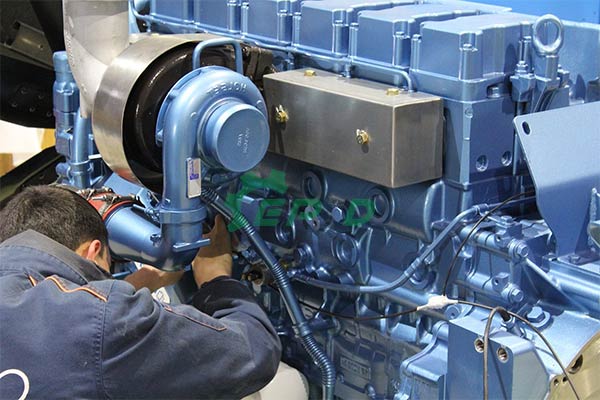
The two engines are built on entirely different platforms. The 6M33 is a 6-cylinder inline engine with a 150 mm bore and a long 185 mm stroke, giving it around 19.6 litres of displacement. It is typically rated from roughly 650 to 750 horsepower for continuous marine duty. The 12M26 is a 12-cylinder V configuration with a 150 mm bore and 150 mm stroke, displacing about 31.8 litres, and it is rated from roughly 1200 up to about 1650 horsepower depending on the duty rating. This makes the 12M26 the larger, higher-output option, while the 6M33 is the more compact, economical choice for mid-size vessels. For full data, see the Baudouin 6M33 and 12M26 specifications page.
Power, Displacement, and Fuel Consumption
Displacement drives the power difference between the two engines. The 12M26’s larger swept volume and twelve cylinders let it deliver roughly twice the output of the 6M33, which is why it suits larger tugs, freighters, and high-demand generator sets. The 6M33, with its long 185 mm stroke, develops strong torque at lower speeds and posts competitive fuel consumption for its class, making it economical on continuous-run applications. When comparing the two, look at the duty rating rather than peak power alone, because a continuous-duty rating at a lower horsepower is usually the number that matters for long service life. Whichever you choose, confirm the continuous rating and fuel figures with your supplier for your specific duty profile.
Installation Space and Weight
A V12 is wider and heavier than an inline six, so the 12M26 needs more engine-room space and stronger foundations. The 6M33’s inline layout is easier to fit in narrow engine rooms and simpler to service from one side, which lowers installation complexity. If your vessel has limited beam or you are repowering an existing installation, the 6M33 is often the easier swap. The 12M26 earns its extra size with higher power density in a package that is still compact for its output class, which matters when space is available but output is the priority. Budget for access around the engine, because routine service points and inspection hatches should stay reachable on both sides.
Parts and Maintenance Considerations
Both engines share the same basic maintenance logic, but the 12M26 has more cylinders and therefore more wearing parts to replace at overhaul time. The 6M33 has fewer pistons, liners, and bearings, which usually means lower overhaul cost and faster rebuilds. Either way, sourcing correct, OEM-grade parts matters for reliability and service life. You can find Baudouin M-series overhaul kits and matching Baudouin cylinder liners for 4M, 6M, 12M, and 20M engines to support both platforms through a full rebuild. Keeping a spare set of fast-moving parts on hand also shortens planned maintenance windows.
Which Engine Fits Your Project?
Choose the 6M33 when you need dependable mid-range power with lower fuel use and simpler installation, such as in trawlers, tugboats, and mid-size generator sets. Choose the 12M26 when your application demands higher output and power density, such as in larger workboats or high-capacity generator sets. Whichever you select, you can find the parts to keep it running in the Baudouin engine parts category.
Frequently Asked Questions
Is the Baudouin 6M33 or 12M26 more fuel efficient?
The 6M33 typically burns less fuel overall because it is a smaller engine, while the 12M26’s advantage is power density. Your application and duty cycle decide which is more economical in practice.
Which engine is easier to maintain?
The 6M33 has fewer cylinders and wearing parts, so overhauls are generally faster and less costly. Both benefit from OEM parts such as a Baudouin M-series overhaul kit.
Which engine should I choose for a generator set?
It depends on your power target. The 6M33 suits mid-size generator sets, while the 12M26 is the better choice when you need higher continuous output. Match the engine to your kVA requirement and duty cycle.


