Understanding Remanufactured Engines and New Diesel Engine Parts
When your diesel engine needs major work, you face a critical decision: buy new parts or choose a remanufactured engine. A remanufactured engine is not simply a used engine that has been cleaned up. It is a power unit that has been completely disassembled, inspected, and rebuilt to meet or exceed original equipment specifications. Worn components are replaced with new or reconditioned parts, and the entire assembly is tested to ensure it performs like new. In contrast, new diesel engine parts are freshly manufactured components that have never been installed or run.
The choice between these two options affects your budget, downtime, and long-term reliability. For fleet operators and marine vessel owners, understanding the differences is essential to making a cost-effective decision. This article explores the cost and quality aspects of remanufactured engines versus new parts, with a focus on Yuchai diesel engines, which are widely used in trucks, buses, construction machinery, and marine applications.
Cost Comparison: Remanufactured Engine vs New Parts
Cost is often the first factor that comes to mind. A remanufactured engine typically costs 30% to 50% less than a brand-new engine assembly. When you factor in the labor for installation, the savings can be even more significant. New diesel engine parts, especially those from the original manufacturer, carry a premium price because they include the cost of raw materials, machining, and branding. However, if only a few components are worn, replacing individual new parts might be more economical than a full engine replacement.
For a complete overhaul, though, remanufactured engines offer a clear financial advantage. They also come with warranties that can range from 12 to 24 months, giving you peace of mind. It is important to compare the total cost of ownership, not just the upfront price. A remanufactured engine that lasts nearly as long as a new one but costs half as much can dramatically improve your return on investment. For Yuchai engines, many operators find that a remanufactured engine is the smartest financial choice.
Quality and Reliability: What You Need to Know
Quality is where remanufactured engines shine. Reputable remanufacturers follow strict processes that include cleaning, crack testing, machining, and reassembly with new gaskets, seals, and bearings. The result is an engine that meets original tolerances and often incorporates updated components that address known weaknesses. New diesel engine parts are also high quality, but they may not benefit from the same level of real-world testing and refinement that remanufactured units receive.
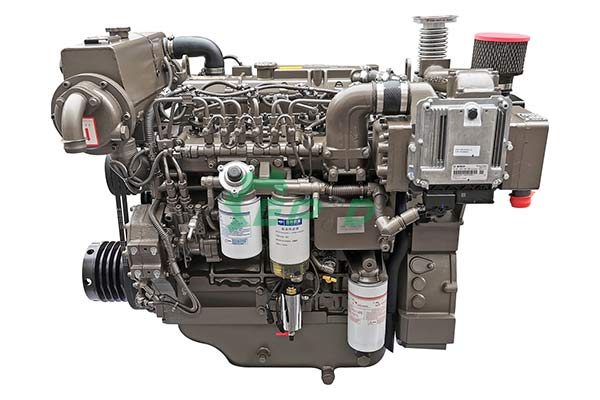
When you choose a remanufactured engine from a trusted supplier like EPID, you get a product that has been built to last. For Yuchai engines, remanufactured options are available for popular models such as the YC6108G, which is common in generator sets and marine applications. These engines are rebuilt using high-quality components, including pistons, liners, and overhaul kits, ensuring dependable performance. In many cases, a properly remanufactured engine can deliver the same reliability as a new one, at a fraction of the cost.
Environmental Impact and Sustainability
Choosing a remanufactured engine is also an environmentally responsible decision. Remanufacturing saves energy and raw materials compared to producing new parts. It reduces waste by keeping old engine cores out of landfills and reusing valuable metals. For businesses that prioritize sustainability, remanufactured engines offer a way to reduce their carbon footprint without compromising on performance.
New diesel engine parts require mining, smelting, and machining, all of which consume significant energy and resources. By opting for a remanufactured engine, you contribute to a circular economy. This is particularly relevant for industries like marine transport and construction, where large engines have a substantial environmental impact. Many Yuchai engine owners are now considering remanufactured options not only for cost savings but also for their environmental benefits.
Performance and Longevity: Expectations and Realities
How does a remanufactured engine perform compared to a new one? In most cases, you will not notice a difference. Remanufactured engines are tested to ensure they meet power, torque, and fuel efficiency specifications. They often come with upgrades that improve durability, such as improved cooling or updated bearings. New engines may have a slight edge in the very long term, but the gap has narrowed significantly as remanufacturing technology has advanced.
Longevity depends largely on maintenance and operating conditions. A remanufactured engine that is properly maintained can easily last as long as a new engine. For Yuchai engines, regular oil changes, coolant checks, and using genuine parts are key to maximizing life. If you are considering a remanufactured engine, look for one that includes a comprehensive warranty and is built by a reputable company. EPID, for example, offers remanufactured Yuchai engines that are rebuilt to exacting standards.
Key Factors to Consider When Choosing
Before making a decision, evaluate your specific situation. Consider the age of your equipment, the extent of damage, and your budget. If the engine block and crankshaft are in good condition, a remanufactured engine is often the best route. If you have a relatively new engine with only a few failed components, replacing those with new diesel engine parts might be more practical.
Other factors include downtime, warranty coverage, and availability. Remanufactured engines can sometimes be delivered faster than new ones, reducing downtime. Always source from a supplier that provides clear documentation and support. For Yuchai engines, ensure the remanufacturer uses quality components like those found in our remanufactured engine parts line. If you operate marine vessels, you may also need marine engine parts that meet specific durability requirements.
Common Myths About Remanufactured Engines
Myth 1: Remanufactured engines are just used engines. This is false. Remanufacturing involves complete disassembly and replacement of worn parts, resulting in a product that meets original specifications. Myth 2: They are less reliable. In reality, remanufactured engines often incorporate improvements that make them more reliable than the original.
Myth 3: You can’t get warranty coverage. Reputable remanufacturers offer warranties that rival those of new engines. Myth 4: Remanufactured engines are hard to find. With companies like EPID specializing in Yuchai engines, you can easily find the right remanufactured engine or components, such as a Yuchai YC6108G piston repair kit or a complete Yuchai overhaul kit.
Making the Right Choice for Your Yuchai Engine
Your decision should align with your operational needs and financial goals. If you rely on your equipment for daily operations, minimizing downtime is crucial. A remanufactured engine can be a drop-in replacement that gets you back to work quickly. If you have the time and resources, rebuilding with new parts might be an option, but it often costs more and takes longer.
For Yuchai engine owners, EPID offers a range of solutions, from individual components to complete remanufactured engines. We understand the demands of heavy-duty applications and provide parts that meet or exceed OEM standards. Whether you need a single piston or a full engine, we have you covered. Explore our Yuchai engine parts collection to find the right fit for your needs.
Frequently Asked Questions
What is the difference between a remanufactured engine and a rebuilt engine?
A remanufactured engine is completely disassembled, cleaned, inspected, and rebuilt to original specifications, often with updates. A rebuilt engine may only replace worn parts without restoring all components to OEM tolerances.
How long does a remanufactured engine last?
With proper maintenance, a remanufactured engine can last as long as a new engine, often exceeding 10,000 hours in industrial applications. Regular servicing is key to longevity.
Can I use remanufactured parts in my Yuchai engine?
Yes, remanufactured parts are designed to meet or exceed OEM specifications and are safe to use in Yuchai engines. Always source from a reputable supplier like EPID to ensure quality.


