A weichai turbocharger uses exhaust gas to push more air into the engine, which raises power and improves fuel economy. It spins at very high speed, so any problem in the air, oil, or exhaust system can damage it quickly. Knowing the early failure signs helps you fix the cause before a small issue becomes an expensive weichai turbocharger replacement.
Turbochargers are standard on most Weichai heavy-duty engines, including the WP10 and WP12 families used in trucks, buses, and construction machines. With proper maintenance, a turbocharger can last a long time. Wear, contamination, and oil starvation are the most common reasons for failure.
How the Turbocharger Works and Why It Fails
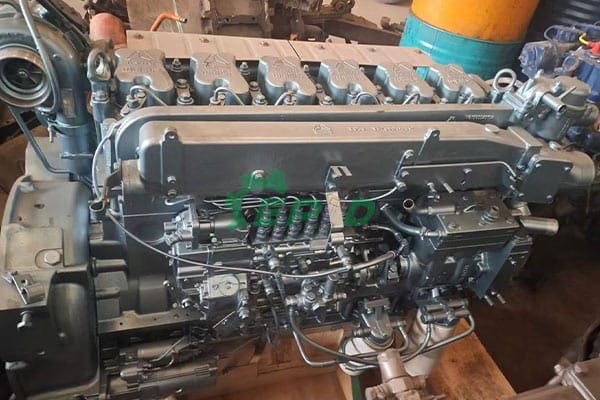
The turbocharger has two main parts: a turbine wheel driven by exhaust gas and a compressor wheel that feeds fresh air into the engine. Both wheels spin on a common shaft supported by bearings that need a constant supply of clean oil. The shaft rotates at very high speed, so even a small drop in oil pressure can cause serious damage.
Most failures start with the oil or air supply. Dirty air filters let dust into the compressor, worn seals let oil enter the intake, and low oil pressure damages the shaft bearings. Any of these problems can destroy a turbo in a short time, which is why regular filter changes and oil service are so important. Keep in mind that the turbocharger is only as good as the maintenance around it. Skipping an oil change rarely shows up immediately, but the bearings will feel it later.
Common Weichai Turbocharger Failure Signs
- A loud whistle or whine that changes with engine speed
- Blue or black smoke coming from the exhaust
- Oil leaking around the turbocharger housing
- Loss of power and slower acceleration under load
- Higher fuel consumption with smoke on steep grades
These signs can appear one at a time or together, and they usually get worse as the turbo wears. If you notice any of them, stop driving and inspect the turbo and its supply lines. Running a damaged turbocharger can push broken pieces into the engine and turn a small repair into a full overhaul.
Can a Damaged Turbocharger Be Repaired?
Minor problems, such as a stuck wastegate or a leaking hose, can often be repaired on their own. But if the shaft is bent, the wheels are damaged, or the housing is cracked, a repair is rarely reliable. In most cases, replacing the turbocharger is the safer option, especially for trucks that must keep running on schedule.
A new unit also gives you a clear starting point: fresh bearings, a clean oil feed, and a known condition. When you choose quality weichai turbo parts, you avoid the uncertainty of rebuilt units with unknown history. Most suppliers offer both original and quality replacement units, so compare the warranty and delivery time before you decide.
How to Choose the Right Replacement Turbo
Match the turbocharger to your exact engine model and application. A wp10 turbocharger, for example, is sized for the WP10 engine and may not suit a WP12. Check the part number on the old turbo and compare it with the product listing. EPID supplies a Weichai turbocharger replacement with part number 617041000023 for reference, and their team can confirm fitment for your engine.
Before you install the new turbo, check the oil supply pipe, air filter, and intercooler. A clogged intercooler or dirty filter will damage a brand-new turbocharger just as fast as it damaged the old one. It also pays to buy weichai turbo parts from a supplier who can confirm the fit before shipping.
Check the Whole Air and Fuel System
A turbocharger failure is often a symptom of another problem. For example, worn injectors create incomplete combustion that coats the turbo with soot. A clean fuel injector assembly keeps the exhaust clean and protects the turbo over the long term.
If the engine already shows general wear, plan a larger service at the same time. Many owners pair a new turbo with a WP10 overhaul kit so the whole engine is back in good condition together.
Frequently Asked Questions
How long does a Weichai turbocharger last?
With clean oil, regular filter changes, and a proper warm-up and cool-down routine, a turbocharger can last for a very long time. Short trips and hard shutdowns after full load are the main causes of early failure, so give the engine a minute to cool down after heavy work.
Can I keep driving with a failing turbocharger?
No. A failing turbo can send metal or carbon into the engine and damage the pistons and valves. Stop the machine and plan a weichai turbocharger replacement as soon as possible.
What should I check after installing a new turbo?
Change the oil and filter, clean the air intake, and check the intercooler and hoses. Start the engine and let it idle before applying load, and watch for smoke or unusual noise during the first run.
For a reliable turbocharger and related Weichai engine parts, EPID Diesel Engine Parts supplies turbochargers, fuel injectors, and overhaul kits for the WP10, WP12, WD615, and other Weichai engines. Visit the Weichai engine parts page to compare products and request a quote.


