Why the Weichai WP10 Oil Pump Water Pump Matters
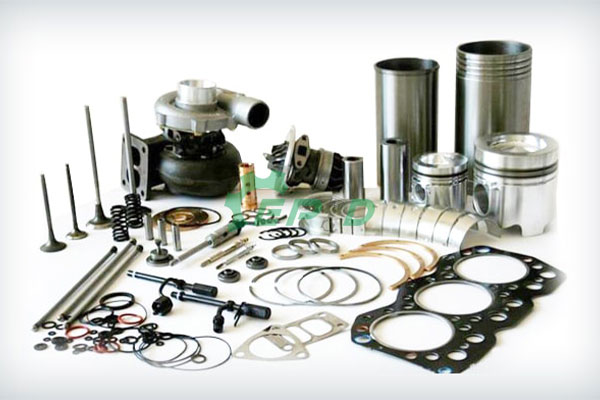
The Weichai WP10 is one of the most widely used heavy-duty diesel platforms in trucks, buses and construction equipment, prized for its robust torque and simple service layout. Two components sit at the heart of its reliability: the oil pump, which maintains pressure across the lubrication circuit, and the water pump, which drives coolant through the block and radiator. When either begins to fail, the consequences spread quickly through the whole engine.
Understanding how these parts work together helps technicians plan maintenance rather than react to breakdowns. A weak oil pump starves bearings and turbocharger feed lines, while a failing water pump allows heat to build in the cylinder head and liners. Treating weichai wp10 oil pump water pump service as a paired inspection routine keeps both systems healthy and protects the engine’s service life.
Recognising the Symptoms of a Failing Oil Pump
Oil pump problems rarely appear without warning. Drivers often report a flickering low-pressure warning at idle, a gauge that climbs slowly when cold, or a pressure reading that drops as engine temperature rises. In more advanced cases, the engine may develop a rhythmic knocking from the lower end as oil film thickness falls below the level bearings need.
Workshops should confirm suspicions with a mechanical pressure gauge before condemning the pump. Sludge, a blocked pickup strainer or a worn relief valve can mimic pump failure. If pressure remains low on a known-good gauge with fresh oil, the pump is the likely cause. When replacement is required, sourcing a correct-fit unit such as this Weichai oil pump assembly ensures the gear set and housing clearances match factory tolerances.
Spotting Water Pump Wear Before It Causes Overheating
The water pump gives several clues before it fails completely. A coolant weep from the drain hole beneath the housing indicates a compromised shaft seal. Grinding or rumbling from the front of the engine usually points to bearing wear, and a loose or glazed belt can suggest a pulley that no longer spins freely. Temperature gauge swings under load are another common sign.
Catching these symptoms early prevents the overheating events that warp heads and scuff liners. Technicians should check for play at the fan hub, inspect the impeller through the inlet if accessible, and pressure-test the cooling system. A replacement Weichai WP10 water pump restores full coolant flow and is the correct route once seal leakage or bearing noise is confirmed.
Tools, Parts and Preparation
Before starting, gather a mechanical oil pressure gauge, a cooling system pressure tester, a torque wrench, seal pullers and a clean drain tray. Order the replacement oil pump, water pump, gaskets, O-rings, coolant and engine oil in advance so the engine is not left open. Confirm the engine serial number when ordering to avoid mismatched housings or impeller designs.
Preparation also means safety. Allow the engine to cool fully, disconnect the batteries and depressurise the cooling system. Drain both oil and coolant into suitable containers for recycling. A tidy, labelled workspace with trays for fasteners saves time during reassembly and reduces the risk of leaving a bolt inside the timing case.
Removing the Oil Pump
On the WP10, oil pump access depends on the sump and front cover configuration. Begin by draining the oil and removing the sump where required, then unbolt the pickup tube and strainer. Mark the pump drive gear orientation before loosening the mounting bolts so the new unit can be indexed correctly during installation.
Withdraw the pump carefully and inspect the drive gear, relief valve and housing bore for scoring. Clean all mating surfaces and remove every trace of old gasket material. If the engine has covered high mileage, check bearing clearances while the sump is off, and examine related wear parts such as the Weichai piston kit if oil pressure loss has caused liner or ring damage.
Installing the New Oil Pump
Prime the new pump with clean engine oil before fitting, then position it with a fresh gasket and torque the mounting bolts in stages to the specified value. Refit the pickup tube with a new O-ring, ensuring the strainer sits at the correct height above the sump floor. Reinstall the sump using a quality sealant or gasket and allow it to cure as directed.
Fill the engine with the correct oil grade, crank briefly without starting to build pressure, then start and monitor the gauge at idle and at raised speed. Compare readings against the workshop specification. Any persistent low reading after a new pump suggests a gauge fault, relief valve issue or internal leakage that needs further diagnosis before the vehicle returns to service.
Removing and Replacing the Water Pump
Water pump removal begins with draining the coolant and releasing belt tension. Remove the fan and pulley as needed, then unbolt the pump housing and separate it from the block. Clean the mating face thoroughly, check the timing cover for corrosion and inspect the belt and tensioner for wear that may have contributed to the failure.
Fit the new pump with a fresh gasket, torque the fasteners evenly and refit the pulley and belt. Refill with the correct coolant mix, run the engine with the heater on and bleed air from the system until the thermostat opens. Recheck the level after the engine cools. Similar procedures apply to smaller engines, so the same method works for a Weichai WP7 water pump on mixed fleets.
Preventive Maintenance for Long Service Life
Regular oil analysis reveals coolant contamination, fuel dilution and metal content that shorten pump life. Change oil and filters at the recommended intervals, use coolant that meets the manufacturer specification, and never top up with plain water for long periods. Keep the cooling system clean and ensure the radiator and charge air cooler are free of debris.
During scheduled services, check belt tension, listen for bearing noise and inspect for seepage around both pumps. Recording oil pressure and coolant temperature trends helps spot decline before failure. Planned replacement of weichai wp10 oil pump water pump components during major overhauls is far cheaper than recovering a vehicle with a seized engine.
Frequently Asked Questions
How often should the WP10 oil pump and water pump be replaced?
There is no fixed interval; replacement depends on condition. Many fleets inspect both pumps at major service intervals and replace them when pressure drops, seals weep or bearing noise appears.
Can I replace the water pump without draining all the coolant?
Partial draining is possible, but a full drain and refill with fresh coolant is recommended to remove debris and ensure correct concentration after the repair.
What causes a new oil pump to show low pressure?
Common causes include a faulty gauge, a stuck relief valve, air in the pickup, incorrect oil grade or worn bearings that allow internal leakage.
Order Quality Weichai Pump Parts Today
Keeping your WP10 running reliably starts with the right components from a trusted supplier. Browse the full Weichai diesel engine parts range at EPID Diesel Engine Parts to find oil pumps, water pumps and related service items for your fleet.


