When maintaining your Weichai diesel engine, the weichai wp7 wp10 water pump is a critical component that demands attention. Both the WP7 and WP10 engines rely on efficient coolant circulation, but their water pump replacement procedures differ in several ways. This guide compares the two, helping you choose the right approach for your engine.
Understanding the Weichai WP7 and WP10 Engines
The Weichai WP7 is a 7-liter engine commonly used in medium-duty trucks and construction equipment, while the WP10 is a 10-liter engine designed for heavy-duty applications. Both are known for durability, but their cooling systems are engineered differently to match their power output and operating conditions.
The water pump in each engine is responsible for circulating coolant through the block and radiator. Over time, seals, bearings, and impellers wear out, leading to leaks, overheating, or noise. Recognizing the signs early can prevent costly engine damage.
Key Differences Between WP7 and WP10 Water Pumps
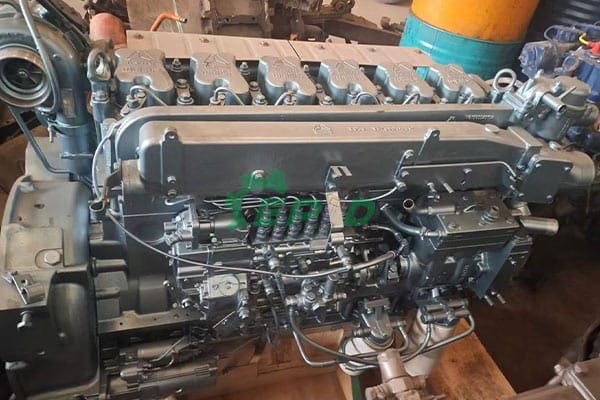
Physically, the WP7 water pump is more compact, with a smaller impeller and housing, while the WP10 pump is larger to handle higher coolant flow. Mounting points and pulley configurations also vary, meaning parts are not interchangeable between the two engines.
Performance-wise, the WP10 pump moves a greater volume of coolant per minute, which is necessary for the higher heat rejection of the 10-liter engine. The WP7 pump, though smaller, is equally robust and designed for the specific thermal demands of the 7-liter platform.
Signs Your Water Pump Needs Replacement
Common symptoms include coolant leaks near the pump weep hole, a squealing or grinding noise from the bearing, and rising engine temperatures. You might also notice coolant residue or a loose pulley. Ignoring these signs can lead to overheating and head gasket failure.
For WP7 and WP10 engines, early detection is key. If you spot any of these issues, stop the engine and inspect the pump. A failing water pump can quickly escalate into major repairs, so prompt replacement is essential.
Tools and Parts Needed for Replacement
Before starting, gather the necessary tools: a socket set, wrenches, a torque wrench, a pulley puller, and a new gasket or O-ring. You will also need fresh coolant and a drain pan. For WP7, ensure you have the correct Weichai WP7 water pump; for WP10, the Weichai WP10 water pump is required.
It is also wise to inspect related components such as the thermostat, hoses, and drive belt. If you are servicing other systems, you might consider replacing the Weichai oil pump WD615E2 or checking the Weichai piston kit WD615E2 for wear.
Step-by-Step Replacement: WP7 vs WP10
For both engines, start by disconnecting the battery and draining the coolant. Remove the drive belt and fan shroud. On the WP7, the water pump is typically accessible after removing the fan and pulley. On the WP10, you may need to remove additional components like the fan hub and tensioner for clearance.
Unbolt the old pump, clean the mating surface, and install the new pump with a new gasket. Torque bolts to specification. Refill with coolant, bleed the system, and run the engine to check for leaks. The WP10 often requires more time due to its larger size and tighter engine bay.
Common Mistakes to Avoid
Using the wrong pump for your engine model is a major error. WP7 and WP10 pumps are not interchangeable. Also, failing to replace the gasket or O-ring can cause leaks. Over-tightening bolts can crack the housing, while under-tightening leads to leaks.
Another mistake is not bleeding the cooling system properly, which can cause air pockets and overheating. Always use the correct coolant type and maintain the proper mix ratio. Finally, avoid reusing old coolant; it may contain contaminants that damage the new pump.
Maintenance Tips for Longer Pump Life
Regularly check coolant levels and condition. Flush the system every two years or as recommended. Inspect the drive belt for wear and tension, as a loose belt can stress the pump bearing. Keep the radiator clean and ensure the fan operates correctly.
Use high-quality coolant and avoid mixing different types. For WP7 and WP10 engines, follow Weichai’s maintenance schedule. If you notice any unusual noise or temperature fluctuations, investigate immediately to prevent pump failure.
Frequently Asked Questions
Can I use a WP7 water pump on a WP10 engine?
No, the pumps are not interchangeable due to differences in size, mounting, and flow rate. Always use the pump designed for your specific engine model.
How often should I replace the water pump on a Weichai WP7 or WP10?
Typically, every 100,000 to 150,000 kilometers or every 2-3 years, depending on operating conditions. Inspect regularly for signs of wear.
What are the symptoms of a failing water pump?
Common signs include coolant leaks, unusual noises (squealing or grinding), and engine overheating. Address these promptly to avoid engine damage.
For a complete range of genuine Weichai parts, visit our Weichai engine parts hub to find the right components for your WP7 or WP10.


