The Yuchai YC4108Q engine is a reliable workhorse in many industrial and agricultural applications. At its heart lies the oil pump, a critical component that ensures proper lubrication and cooling. Regular maintenance of the yuchai yc4108q oil pump is essential to prevent costly breakdowns and extend engine life. This guide covers everything you need to know about servicing and replacing this vital part.
Understanding the Yuchai YC4108Q Oil Pump
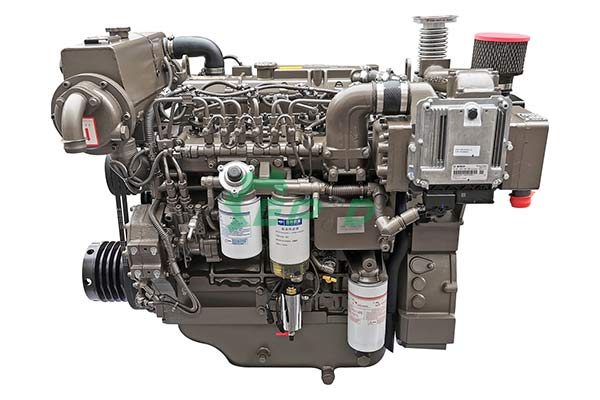
The oil pump in the YC4108Q is a gear-type pump that circulates oil under pressure to all moving parts. It draws oil from the sump and pushes it through the filter and galleries. Without adequate pressure, metal-to-metal contact quickly leads to seizure and catastrophic failure.
Understanding its operation helps you diagnose issues early. The pump is driven by the crankshaft or camshaft, and its output is regulated by a relief valve. Any wear in the gears or housing reduces efficiency, leading to low oil pressure and increased engine wear.
Signs Your Oil Pump Needs Attention
Low oil pressure warning lights, unusual knocking noises, or overheating are common indicators of a failing oil pump. You might also notice metal particles in the oil or a burning smell. Ignoring these signs can result in severe engine damage.
Regularly monitor your oil pressure gauge. If pressure drops at idle or under load, inspect the pump immediately. A sudden drop often means the relief valve is stuck or the pump drive has failed. Early detection saves time and money.
Routine Inspection and Maintenance Schedule
For optimal performance, inspect the oil pump every 500 hours of operation or at least annually. Start by checking the oil level and condition. Contaminated oil accelerates pump wear. Change the oil and filter according to Yuchai’s recommendations.
Next, test the oil pressure with a mechanical gauge. Compare readings to specifications. If pressure is below the minimum, remove the pump for a bench test. Measure gear end clearance, backlash, and housing wear. Replace any parts that exceed service limits.
Common Oil Pump Problems and Solutions
One frequent issue is a worn relief valve, which causes pressure fluctuations. Cleaning or replacing the valve often resolves this. Another problem is air leaks on the suction side, leading to aeration and poor lubrication. Tighten connections and replace cracked O-rings.
If the pump gears are scored or the housing is deeply scratched, replacement is necessary. Attempting to repair such damage is unreliable. Always use genuine Yuchai parts to ensure proper fit and durability. For YC4108Q, the specific oil pump component is available as a complete unit.
Step-by-Step Oil Pump Replacement
Replacing the oil pump requires mechanical skill and clean working conditions. Begin by disconnecting the battery and draining the oil. Remove the oil pan and unbolt the pump from the block. Note the orientation of the drive gear and any spacers.
Clean the mounting surface and install the new pump with a new gasket. Torque bolts to specification. Reinstall the oil pan with a fresh gasket, refill with oil, and prime the system. Start the engine and verify oil pressure immediately. If you need a complete gasket set for other Yuchai engines, consider the Yuchai YC4D130 overhaul kit for similar maintenance tasks.
Choosing the Right Replacement Parts
Quality parts are crucial for longevity. Aftermarket pumps may be cheaper but often lack the precise tolerances of OEM components. Genuine Yuchai oil pumps are engineered to meet exact specifications, ensuring proper pressure and flow.
When replacing the oil pump, also inspect the drive gear and shaft for wear. It’s wise to replace the oil pump with the correct Yuchai YC4108Q oil pump component to guarantee compatibility. Additionally, check the condition of the oil cooler and lines. For engines needing a full gasket refresh, the Yuchai M66 overhaul gasket is a reliable choice for related models.
Preventive Maintenance Tips for Longevity
Extend the life of your yuchai yc4108q oil pump by using high-quality oil and changing it regularly. Avoid short run cycles that prevent the engine from reaching operating temperature, as condensation can form and contaminate the oil.
Keep the air intake and cooling system clean to prevent overheating, which degrades oil. Periodically check the oil pressure sender and gauge for accuracy. If you notice any drop in pressure, investigate immediately. For piston and liner issues, the Yuchai YC6108G piston repair kit offers quality components for major overhauls.
Troubleshooting Low Oil Pressure
If you have low oil pressure, first verify the gauge is accurate. Then check the oil level and condition. A clogged filter or pickup screen can restrict flow. Replace the filter and clean the screen if necessary.
If the problem persists, inspect the oil pump for wear. A worn pump cannot maintain pressure. Also, check for internal leaks, such as a faulty relief valve or worn bearings. Addressing these issues promptly prevents further damage.
Frequently Asked Questions
How often should I replace the oil pump in my Yuchai YC4108Q?
Typically, the oil pump should be replaced during a major engine overhaul or if oil pressure drops below specifications. With proper maintenance, it can last several thousand hours. Regular inspection is key.
What are the symptoms of a failing oil pump?
Common symptoms include low oil pressure warning light, knocking noises from the engine, overheating, and metal shavings in the oil. If you notice any, stop the engine and inspect immediately.
Can I use aftermarket oil pumps?
While aftermarket pumps may be available, genuine Yuchai parts are recommended for guaranteed fit and performance. They are designed to meet original specifications and ensure reliable lubrication.
For all your Yuchai engine parts needs, including oil pumps, gaskets, and pistons, visit our Yuchai engine parts hub. We provide high-quality components to keep your diesel running strong.


