The Weichai WP10 is one of the most trusted heavy-duty diesel platforms in trucks, buses and construction equipment, and keeping its lubrication and cooling systems healthy is the difference between years of service and a sudden roadside failure. This guide walks you through the weichai wp10 oil pump water pump replacement process, from spotting the early warning signs to priming the new pump and refilling coolant correctly. Whether you are a fleet technician or an owner-operator, the steps below will help you plan the job, gather the right parts and avoid the mistakes that shorten engine life.
Why the WP10 Oil Pump and Water Pump Matter
The oil pump is the heart of the lubrication circuit. On the WP10 it draws oil from the sump and pushes it through the filter, main galleries, crankshaft and piston cooling jets. Any drop in flow or pressure quickly reaches the bearings, turbocharger and valve train, so a worn pump is never a minor issue.
The water pump plays the same critical role for temperature control. It circulates coolant through the block, cylinder head, oil cooler and radiator, holding combustion temperatures in a safe band. When either pump weakens, the whole engine compensates for it, which is why replacing both when they show similar wear is often the smarter service decision.
Symptoms of a Failing WP10 Oil Pump
Low oil pressure at idle is the classic sign. If the gauge drops near the warning threshold when the engine is hot, or the pressure light flickers at stops, the pump may be losing efficiency through worn gears or a scored housing. Unusual whining or rattling from the front gear train can also point to pump wear.
Other clues include metal debris in the oil filter, a rapidly darkening oil sump and pressure that takes longer to build after a cold start. Before condemning the pump, check the pickup screen, relief valve and pressure sensor, since a clogged screen mimics pump failure. If those are clean, plan the replacement and inspect the bearings while you are inside.
Symptoms of a Failing WP10 Water Pump
Coolant weeping from the telltale hole under the pump housing is the most reliable early warning. A failing shaft seal lets a few drops escape before total failure, and the coolant often leaves a crusty residue. Bearing noise that changes with engine speed, or a loose fan hub, indicates the shaft assembly is worn.
Overheating under load, a coolant level that keeps dropping without an external leak, and steam from the radiator are later-stage symptoms. Do not ignore them: a seized water pump can throw the belt, damage the fan and warp the cylinder head within minutes. Replacing the pump before those secondary failures occur is far cheaper than repairing the consequences.
Gathering the Right Parts and Tools
Match every replacement to your engine serial number and build configuration. Oil pumps differ between ratings and mounting arrangements, so confirm the part against your plate before ordering. For reference, this Weichai oil pump assembly shows the typical housing, gear and relief-valve layout used on WP series engines.
For the cooling side, the Weichai WP10 water pump is the direct-fit unit for this platform. Have new gaskets, O-rings, coolant, thread sealant, a torque wrench and a clean drain pan ready. If you are servicing a smaller engine in the same fleet, the Weichai WP7 water pump follows a very similar procedure, so the tools carry over.
Step-by-Step Oil Pump Removal and Installation
Disconnect the battery, drain the engine oil and remove the sump if the pump is internally mounted. Unbolt the suction pipe and pickup, then unbolt the pump from the block or front gear housing. Inspect the drive gear, relief valve and mounting face for scoring, then clean the mating surfaces until they are free of old gasket material.
Prime the new pump with clean engine oil before fitting it, install a fresh gasket and torque the fasteners in stages to the specification for your build. Reinstall the pickup with a new O-ring, refill with the correct oil and crank the engine without starting until pressure appears. Then start and check for leaks at idle before road testing.
Step-by-Step Water Pump Removal and Installation
With the engine cold, drain the coolant into a clean container and remove the fan, shroud and belt. Unbolt the pulley and the pump housing, then lift the pump away and scrape the block face clean. Check the hose necks and the fan hub for cracks, and replace any hose that feels stiff or swollen.
Fit the new pump with a new gasket, torque the bolts evenly and reinstall the pulley, belt and fan. Refill with the correct coolant mix, run the engine with the heater on and bleed the system until the thermostat opens. Watch the temperature gauge and the pump weep hole for the first few operating hours.
Coolant Refill, Priming and Break-In Checks
Correct bleeding prevents hot spots and air locks. Fill slowly, squeeze the radiator hoses to push trapped air out, and let the engine idle with the cap off until the level stabilizes. Top up after the engine cools, and recheck after the first full working day.
During break-in, monitor oil pressure and coolant temperature closely. A short retorque of the pump fasteners after the first heat cycle is good practice. If you notice bearing noise or a pressure drop, stop and investigate immediately rather than waiting for the next scheduled service.
Preventive Maintenance to Extend Pump Life
Use quality oil and filters at the recommended intervals, and never extend oil changes on a heavily loaded engine. Keep the cooling system filled with the correct coolant rather than water, and check the concentration each season. Inspect belts and hoses at every service, because a slipping belt stresses the water pump bearing.
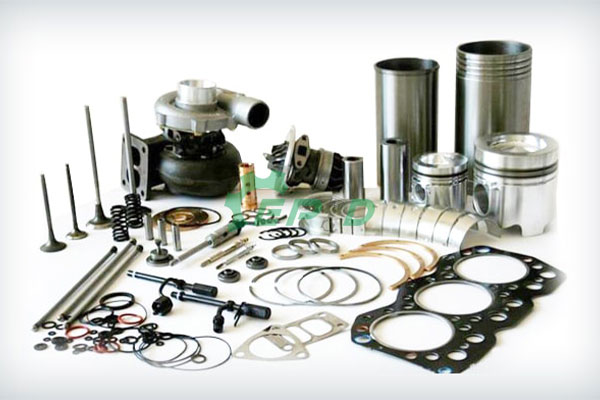
Record oil pressure and operating temperature trends in your maintenance log. Small changes over thousands of hours reveal wear long before a failure. If the engine is apart for a pump job, inspect the liners and rings as well; a Weichai piston kit reference helps you identify matching components when a rebuild is needed.
Frequently Asked Questions
How long does a WP10 water pump replacement take?
On most installations a competent technician can complete the job in three to five hours, including draining, cleaning the mating face, refilling and bleeding the cooling system. Allow extra time if the fan shroud or belt tensioner is seized.
Can I replace the oil pump without removing the engine?
In most WP10 applications the pump can be serviced with the engine in the chassis by removing the sump and front drive components. Confirm clearance on your specific truck or machine before starting.
What causes repeated water pump failures?
Common causes are incorrect coolant mix, a loose or misaligned belt, a worn fan hub and air pockets in the system. Correct installation and proper bleeding prevent most repeat failures.
Ready to order? Browse the full Weichai diesel engine parts range at EPID Diesel Engine Parts and match the right pump to your engine serial number.


