Keeping a diesel generator running reliably starts with knowing exactly which components wear out and which spares you should keep on the shelf. A well-planned yuchai generator set spare parts list protects uptime, shortens repair windows and helps maintenance teams avoid emergency ordering. Yuchai engines power a huge number of standby and prime generator sets in Africa, the Middle East, Southeast Asia and Latin America, so parts availability matters as much as part quality. This guide walks through the main categories on a typical yuchai generator set spare parts list and explains how to choose, stock and replace them sensibly.
Why a Structured Yuchai Generator Set Spare Parts List Matters
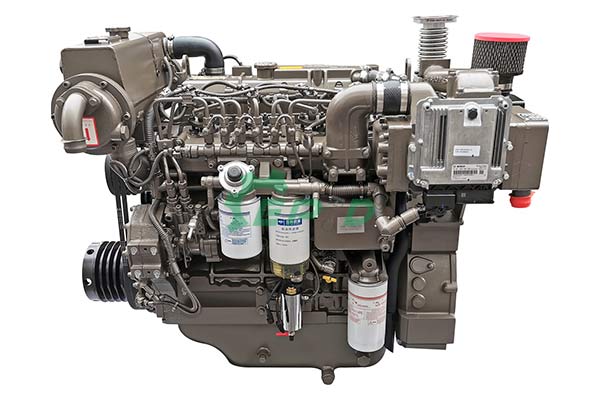
Generator sets rarely fail without warning. Most breakdowns trace back to a wear item that was not replaced on schedule or a spare that was not available when needed. A structured yuchai generator set spare parts list turns maintenance from reactive firefighting into planned work. It also makes budgeting easier, because you can group fast-moving consumables separately from long-life overhaul components.
Equally important, a clear list reduces the risk of fitting the wrong part. Yuchai builds many engine families, and components differ between models and ratings. Listing parts by engine model, application and quantity keeps ordering accurate and avoids downtime caused by mismatched gaskets, pistons or pumps.
Core Engine Overhaul Components
At the centre of any serious spares plan are the overhaul components: cylinder liners, pistons, piston rings, pins, bearings and the full gasket set. These parts restore compression, oil control and sealing after thousands of running hours. For popular generator engines, a complete yuchai overhaul kit bundles the matched parts so the rebuild is consistent from cylinder to cylinder.
When planning an overhaul, always confirm the engine model and rating before ordering. Liner kits and piston kits are matched sets, and mixing suppliers can lead to clearance or weight differences. Stocking one complete overhaul kit per critical generator is a common practice for operators who cannot afford long lead times.
Pistons, Rings and Cylinder Components
Pistons and rings are among the hardest-working parts in a generator engine, especially on units that run at steady high load for long periods. A quality yuchai piston assembly should match the original profile, ring groove dimensions and compression ratio. Inspect ring grooves, skirt wear and pin fit during every major service.
It is good practice to replace rings whenever pistons are removed, and to check liner roundness at the same time. Keep a small buffer stock of rings and pins if your fleet includes several identical generator models, because these small parts cause disproportionate downtime when they are missing.
Gaskets, Seals and Sealing Kits
Gaskets and seals are inexpensive but essential. Head gaskets, valve cover gaskets, oil pan gaskets, front and rear seals and exhaust manifold gaskets all belong on the list. A complete yuchai gasket set simplifies ordering and ensures every sealing surface is covered during a rebuild.
Store gaskets flat, dry and away from sunlight, and never reuse a head gasket after removal. Seals should be replaced whenever adjacent components are disturbed, since a leaking seal after a rebuild means repeating the labour.
Lubrication and Oil Pump Parts
Oil pressure is the lifeblood of a generator engine. The oil pump, relief valve, pickup strainer and associated seals should be inspected at overhaul and replaced if worn. A replacement yuchai oil pump restores flow and pressure where clearances have opened up over time.
Alongside the pump, list oil filters, filter housings and pressure sensors. Low oil pressure alarms are often traced to a tired pump or a blocked pickup, so these parts deserve a place on every preventive maintenance schedule.
Fuel System and Cooling System Spares
Fuel system items include fuel filters, injectors, injection pumps, feed pumps and hand primers. Cooling system items include water pumps, thermostats, hoses, belts, radiators caps and fan components. These are the parts most often affected by fuel quality, dust and heat in the field, so they should be stocked generously.
For generator applications, cooling performance directly affects load capacity. Keep at least one spare water pump and thermostat per critical unit, and replace coolant hoses on a fixed interval rather than waiting for a failure.
Electrical and Generator-End Components
The engine is only half of the generator set. Alternator bearings, voltage regulators, diodes, AVRs, control panel modules, sensors and wiring harnesses also belong on the list. These items are often overlooked until a set fails to excite or a controller shows a fault.
Record the generator-end model and controller type alongside the engine model, because electrical spares are rarely interchangeable between brands. A simple spreadsheet linking each generator to its engine and alternator details makes ordering far more reliable.
Filters, Belts and Fast-Moving Consumables
Oil filters, fuel filters, air filters, belts, coolant and lubricants are the everyday consumables that keep a yuchai diesel generator healthy. These should be stocked in proportion to running hours, with a minimum buffer of two service intervals for remote sites.
Consumables are also the easiest place to lose quality. Cheap filters can bypass dirt or restrict flow, so specify reputable parts and record filter part numbers in your maintenance log for repeat ordering.
How to Build and Maintain Your Spare Parts List
Start with the engine nameplate, then list every part by category: overhaul, pistons, gaskets, lubrication, fuel, cooling, electrical and consumables. Assign a minimum stock quantity based on criticality, lead time and running hours. Review the list after every major service and update it when engines are added or retired.
Finally, work with a supplier who understands yuchai engines and can confirm compatibility. Browse the full yuchai engine parts range to match your model and build a list that keeps every generator set ready to run.
Frequently Asked Questions
Which parts should always be kept in stock for a Yuchai generator?
At minimum, keep oil, fuel and air filters, belts, a water pump, a thermostat, gaskets and a set of injector washers. For critical units, add a complete overhaul kit and one oil pump.
How often should Yuchai generator spare parts be replaced?
Follow the maintenance schedule for filters and fluids, and inspect wear parts at every major service. Overhaul components are typically replaced based on running hours, oil analysis and compression test results rather than a fixed calendar date.
How do I confirm a spare part fits my Yuchai engine?
Use the engine model and serial number from the nameplate, then confirm the part against the supplier catalogue. Always verify matched sets such as pistons, liners and gaskets together before ordering.


