Why Choosing the Right Weichai Piston Kit Matters
The piston kit is at the heart of your Weichai engine’s performance. For WD615 and WP10 engines, selecting the correct piston kit is crucial for maintaining power output, fuel efficiency, and longevity. A mismatched or low-quality kit can lead to premature wear, increased oil consumption, and even catastrophic engine failure. This weichai piston kit buying guide will walk you through the essential factors to consider, ensuring you make an informed decision that keeps your engine running smoothly for years to come.
Weichai engines are renowned for their durability and reliability, but they require precise components to operate at their best. Whether you’re overhauling a WD615 or WP10, understanding the nuances of piston kit selection can save you time, money, and headaches. From material quality to compatibility with cylinder liners and other components, every detail counts. Let’s dive into the specifics so you can choose with confidence.
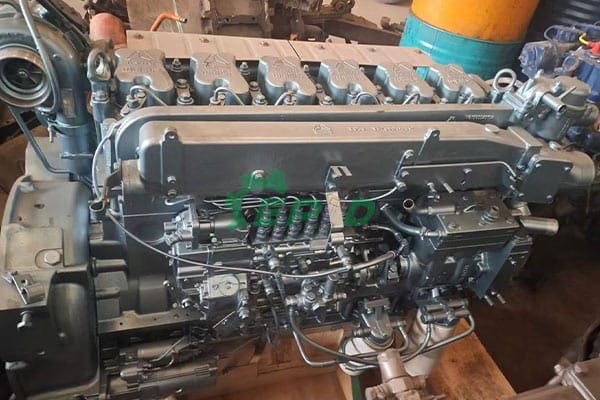
Key Differences Between WD615 and WP10 Piston Kits
WD615 and WP10 engines, while both from Weichai, have distinct design philosophies and component specifications. The WD615 is a workhorse known for its robustness in heavy-duty applications, while the WP10 series incorporates newer technology for improved efficiency and emissions compliance. Piston kits for these engines differ in dimensions, materials, and design features such as bowl shape and ring configuration. Using a WD615 piston kit in a WP10 engine (or vice versa) is not advisable and can cause severe damage.
When selecting a piston kit, always verify the engine model and serial number. For instance, the Weichai piston kit WD615E2 is specifically engineered for the WD615E2 variant, ensuring perfect fit and function. Similarly, WP10 engines require pistons designed for their higher combustion pressures and thermal loads. Consulting a reliable parts supplier or your engine’s service manual will help you identify the correct kit.
Factors to Consider When Buying a Weichai Piston Kit
Several critical factors influence your piston kit choice. First, material composition: high-quality pistons are typically made from aluminum alloy with high silicon content for thermal stability. Second, the ring pack: rings must match the piston grooves and cylinder liner material for optimal sealing. Third, the pin and circlip design: these small components play a big role in reliability. Finally, consider the supplier’s reputation and whether the kit meets OEM specifications.
Another factor is the intended use of your engine. If your WD615 or WP10 operates in extreme conditions—such as high-load mining or long-haul trucking—you may need a kit with enhanced cooling features or reinforced ring lands. Always prioritize kits that come with a warranty and technical support. Remember, a cheap piston kit can end up costing more in downtime and repairs.
How to Verify Compatibility with Your Engine
Verifying compatibility starts with identifying your engine’s exact model and serial number. Weichai uses specific part numbers for each variant, so cross-referencing these numbers is essential. For example, the WP10 engine often requires a specific cylinder liner that matches the piston kit. Using a mismatched liner can lead to poor sealing and reduced performance. It’s also wise to check the engine’s build date, as mid-generation updates may affect part compatibility.
To simplify this process, many buyers turn to comprehensive overhaul kits that include pistons, liners, and gaskets. For instance, the Weichai engine overhaul repair kit WP10 E3 bundles all necessary components, ensuring they are designed to work together. If you’re only replacing the piston kit, double-check that your existing cylinder liners are within specification. Worn liners can ruin a new piston kit quickly.
Quality Indicators: What to Look for in a Piston Kit
Quality piston kits exhibit several telltale signs. Look for smooth finishes on the piston crown and skirt, precise ring grooves, and clearly marked part numbers. The rings should have a consistent profile and tension. The piston pin should slide smoothly but without excessive play. Packaging also matters: reputable manufacturers use sturdy boxes with anti-corrosion protection. Avoid kits with generic or missing branding, as these are often low-quality counterfeits.
Another indicator is the supplier’s transparency. A trustworthy seller will provide detailed specifications, including alloy composition, ring material, and coating details. They should also offer a warranty and easy returns. For WP10 engines, ensure the piston kit is compatible with the Weichai cylinder liner WP10, as the two are designed as a system. If in doubt, consult a Weichai specialist or refer to official service bulletins.
Common Mistakes to Avoid When Buying
One of the most common mistakes is buying based solely on price. While budget constraints are real, sacrificing quality can lead to frequent replacements and engine damage. Another mistake is ignoring the engine’s history: if your WD615 has been rebored, you may need oversized pistons. Always measure the cylinder bore before ordering. Additionally, some buyers forget to replace the oil pump during an overhaul; a worn oil pump can starve the new pistons of lubrication.
For instance, pairing a new piston kit with a failing Weichai oil pump WD615E2 is a recipe for disaster. Always assess related components and replace them if worn. Also, avoid mixing brands: using pistons from one manufacturer with liners from another can cause compatibility issues. Stick to a trusted supplier who specializes in Weichai parts.
Installation Tips for Longevity
Proper installation is key to maximizing the life of your Weichai piston kit. Start by thoroughly cleaning the cylinder block and checking for cracks or distortion. Use a calibrated torque wrench to tighten all fasteners to spec. Lubricate the piston rings and cylinder walls with clean engine oil before insertion. Ensure the ring end gaps are positioned correctly—typically 120 degrees apart. After assembly, prime the oil system and perform a careful break-in procedure.
During break-in, avoid heavy loads and vary engine speed to allow rings to seat properly. Monitor oil pressure and temperature closely. After the first 50 hours, retorque the cylinder head bolts and change the oil and filter. Following these steps will help your new piston kit deliver reliable service for thousands of hours.
Frequently Asked Questions
How do I know if my Weichai engine needs a new piston kit?
Common signs include excessive oil consumption, blue smoke from the exhaust, reduced power, and knocking noises. A compression test and cylinder leak-down test can confirm worn pistons or rings. If you notice these symptoms, consult a mechanic for a thorough inspection.
Can I replace just the pistons without changing the cylinder liners?
It depends on the condition of your liners. If they are within specification and show no scoring or excessive wear, you can reuse them. However, in most overhauls, it’s recommended to replace liners along with pistons to ensure optimal sealing and longevity.
What is the difference between a piston kit and an overhaul kit?
A piston kit typically includes pistons, rings, pins, and circlips. An overhaul kit is more comprehensive and may include cylinder liners, bearings, gaskets, and seals. The choice depends on the extent of your engine repair needs.
For a complete selection of Weichai engine parts, visit our Weichai parts hub to find the right components for your WD615 or WP10.


