Selecting the right Yuchai engine rebuild kit is critical for restoring your diesel engine to peak performance. Whether you are overhauling a YC6108G, YC4D130, or YC6G270, the correct kit ensures reliability and longevity. This guide walks you through the essential factors to consider when choosing a Yuchai engine rebuild kit, helping you avoid costly mistakes and downtime.
Understanding Yuchai Engine Rebuild Kits
A Yuchai engine rebuild kit typically includes pistons, cylinder liners, rings, bearings, gaskets, and seals—everything needed for a complete overhaul. These kits are designed for specific Yuchai engine models, ensuring precise fit and function. Understanding what each component does helps you appreciate the importance of using genuine-quality parts.
When selecting a kit, consider the engine’s application, operating conditions, and any prior modifications. For instance, a YC6108G used in a generator set may require different piston rings than one in a truck, due to varying load and temperature profiles. A kit that matches your engine’s specifications will deliver optimal compression, oil control, and durability. Always verify the kit’s contents against your engine’s parts list to ensure completeness. Additionally, check the kit’s manufacturing date and storage conditions; rubber seals and gaskets can degrade over time, so fresh stock is preferable.
Key Components of a Yuchai Engine Rebuild Kit
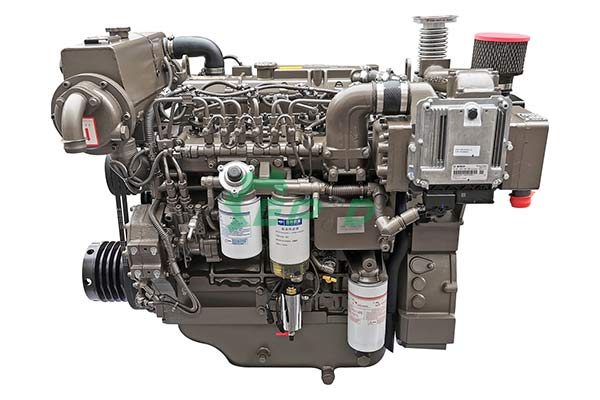
The core components of a rebuild kit include the cylinder liner kit, piston kit, and gasket set. For instance, the Yuchai repair kit liner kit piston kit YC6108G combines these essentials for the YC6108G engine. Each part is engineered to meet or exceed OEM standards.
Pistons must match the liner size and combustion chamber design. Rings control oil consumption and compression. Bearings support the crankshaft and camshaft. Gaskets seal critical joints to prevent leaks. A comprehensive kit addresses all these areas, simplifying your rebuild. Beyond these, some kits include valve train components like valves, guides, and springs. For a thorough overhaul, consider whether your engine needs these additional parts. Inspect the cylinder head for wear; if valve recession or guide play is evident, a kit with valve components may save you a second teardown. Similarly, check the oil pump and timing gears—if they show signs of wear, replacing them now is cost-effective.
How to Match the Kit to Your Engine Model
Yuchai produces many engine series, including the YC6108, YC4D, and YC6G families. Each series has unique dimensions and specifications. Start by identifying your engine’s model and serial number. Then cross-reference with the kit’s compatibility list.
For example, the Yuchai YC6108G-340 piston is designed specifically for that model. Using the wrong piston can lead to poor performance or engine damage. Always consult a parts specialist if unsure. Keep in mind that engine serial number breaks can indicate mid-year changes; a kit that fits an early YC6108G may not fit a later one. Provide your full engine details when ordering. If you have a turbocharged variant, ensure the kit includes pistons with appropriate compression ratios and rings designed for higher thermal loads.
Quality Matters: Genuine vs. Aftermarket Parts
When choosing a Yuchai engine rebuild kit, quality is paramount. Genuine Yuchai parts offer guaranteed fit and durability, while aftermarket options vary in quality. High-quality aftermarket kits can be cost-effective if they meet OEM specifications.
Look for kits that use advanced materials and manufacturing processes. For instance, the Yuchai YC4D130 overhaul kit with gasket set includes premium gaskets that resist heat and pressure. Always verify the source and warranty of aftermarket parts. Research the manufacturer’s reputation and ask for certifications such as ISO 9001. A reputable aftermarket kit may use improved materials, like molybdenum-coated rings or high-silicon aluminum pistons, that enhance performance. However, be wary of unusually low prices—they often indicate inferior metallurgy or lax quality control. Reading user reviews and seeking recommendations from other diesel mechanics can guide your decision.
Evaluating Cylinder Liner and Piston Compatibility
Cylinder liners and pistons must work together seamlessly. The liner’s inner diameter and surface finish affect ring seating and oil control. Pistons must match the liner’s dimensions and the engine’s compression ratio.
For example, the Yuchai YC6G270-30 cylinder liner is precision-made for that engine. Using mismatched components can cause excessive blow-by, oil consumption, and reduced power. Always purchase liners and pistons as a set when possible. Check the liner protrusion above the block deck; it must be within specification to ensure proper head gasket sealing. Also, verify that the piston crown height and bowl geometry match your engine’s combustion system. If you are upgrading to a higher-performance kit, confirm that the fuel system can deliver adequate fuel and that the cooling system can handle the extra heat.
Installation Tips for a Successful Rebuild
Proper installation is key to maximizing the life of your rebuild kit. Clean all components thoroughly and check clearances. Use a calibrated torque wrench for all fasteners. Lubricate moving parts during assembly.
Follow the engine manufacturer’s service manual for specifications. Pay attention to ring end gaps, piston-to-wall clearance, and bearing crush. If you are unsure, consult a professional mechanic. A well-installed kit will deliver reliable performance for years. Consider having the block and head machined if they are warped or scored; a straight deck and properly resurfaced head are essential for gasket longevity. Use assembly lube on bearings and cam lobes to prevent dry starts. After assembly, prime the oil system and perform a careful break-in procedure, including varying engine loads and avoiding prolonged idling.
Common Mistakes to Avoid When Selecting a Kit
One common mistake is choosing a kit based solely on price. Low-cost kits may use inferior materials, leading to premature failure. Another mistake is not verifying compatibility with your specific engine model and serial number.
Also, avoid mixing parts from different kits unless you are certain they are compatible. Always replace all components included in the kit, even if some appear reusable. Skipping steps can compromise the entire rebuild. Another pitfall is ignoring the cooling system; a neglected radiator or worn water pump can cause overheating and destroy your new rebuild. Similarly, failing to clean the oil cooler and galleries can introduce debris that damages bearings. Finally, not replacing the oil pump or checking the turbocharger (if equipped) can lead to oil starvation and rapid wear.
Frequently Asked Questions
What does a Yuchai engine rebuild kit include?
A typical kit includes pistons, cylinder liners, piston rings, bearings, gaskets, and seals. Some kits may also include valves and valve guides. Always check the kit contents before purchasing.
How do I know which kit fits my Yuchai engine?
Identify your engine’s model and serial number. Cross-reference with the kit’s compatibility list or consult a parts specialist. Using the wrong kit can cause serious engine damage.
Can I install a rebuild kit myself?
Yes, if you have mechanical experience and the proper tools. However, complex tasks like machining may require a professional. Always follow the service manual and double-check your work.
For a complete selection of Yuchai engine rebuild kits and components, visit our Yuchai engine parts hub. We provide high-quality parts to keep your diesel engine running strong.


