Connecting rod bearing failure rarely happens without warning. The bearings sit between the crankshaft journal and the rod big end, carrying the full force of every combustion stroke. When they start to fail, they knock, drop oil pressure, and shed metal into the oil. This article explains the warning signs, the most common causes, and the Weichai parts you need to repair the damage properly.
Early Warning Signs of Connecting Rod Bearing Failure
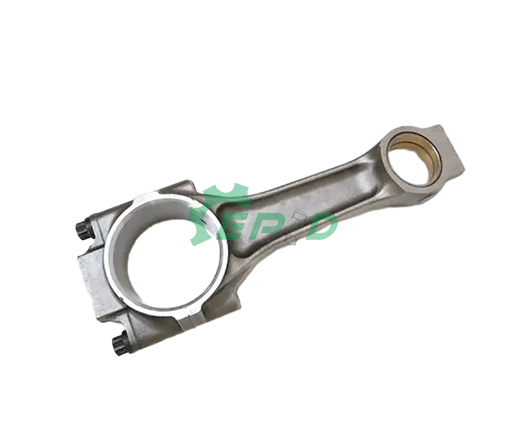
The clearest sign is a heavy knock from the lower half of the engine. Unlike a top-end tick from the valvetrain, a rod knock is deep and becomes louder as the engine warms up and the oil thins. You may also see the oil pressure gauge drop, especially at idle, because worn bearings widen the clearance and let oil escape faster than the pump can supply it.
Metal in the oil is the next red flag. Bearing material is soft and tends to show up as fine copper or silver flakes in the drained oil or on the oil filter pleats. If the failure is advanced, the engine may lose power and the knock will be audible under load as the piston crown begins to contact the head.
Recognizing rod bearing failure symptoms early is far cheaper than a full rebuild. Here is what to watch for.
- A deep knock that grows louder under load
- Dropping oil pressure at idle
- Copper or silver flakes in the oil filter
- Loss of power with a heavy bottom-end noise
What Causes Connecting Rod Bearings to Fail
Oil starvation is the leading cause. Low oil level, a weak pump, or a clogged pickup starves the bearing and wipes the soft overlay in seconds. Contaminated oil is a close second: fuel dilution, coolant leaks, and abrasive soot all break down the oil film and allow metal-to-metal contact.
Assembly errors also cause connecting rod bearing failure. Over-torqued or uneven rod bolts distort the bore, while the wrong bearing undersize leaves either too much clearance or not enough. Misaligned rods from a previous failure will eat a fresh set of bearings quickly, which is why the rod should be checked and re-sized during repair.
Preventing bearing damage starts with clean, correctly graded oil and a service schedule that matches the engine duty cycle. Regular oil analysis flags rising copper or lead before a failure becomes audible, and it costs a fraction of a bearing and crankshaft repair. Keep an eye on fuel dilution, because a leaking injector can thin the oil and wipe the bearings even when the oil level looks normal.
Diagnosing Engine Bearing Wear vs. Rod Knock
Engine bearing wear usually announces itself as falling oil pressure and minor metal in the filter before any audible knock appears. A full rod knock means the bearing has already failed and the clearance is large enough to be heard. Use an oil analysis to catch wear early, and cut open the oil filter to inspect for flakes after any pressure drop.
A stethoscope or a long screwdriver held against the block can help locate the noise. A rod knock is loudest near the oil pan rail and changes with cylinder cut-out tests, while piston slap and main bearing noise sound different and sit in different locations.
Repairing the Damage with the Right Weichai Parts
Once a rod bearing fails, do not simply replace the shells. Inspect the crankshaft journal for scoring, measure the rod big end, and replace or re-size the rod if it is out of round. For Weichai WD615E2 engines, the Weichai connecting rod kit WD615E2 provides a matched replacement. Pair it with the correct WD615 engine bearing bush, and for WP8 engines use the Weichai WP8 connecting rod. Check the oil pump and the pickup screen at the same time, since low oil pressure often returns if the original cause of starvation is not corrected.
Frequently Asked Questions
Can you drive with a rod knock?
No. A rod knock means a bearing has already failed, and continued running can throw the rod through the block and destroy the engine. Stop the engine and arrange a tow or repair.
How much does it cost to fix a rod bearing?
The cost depends on how far the damage spread. Catching wear early may only require new bearings and a journal polish, while a full failure can demand a crankshaft grind and new connecting rods.
Which parts do I need to repair a Weichai connecting rod bearing?
You need replacement bearings, a checked or new connecting rod, and fresh oil. The Weichai WD615E2 connecting rod kit is a solid choice for a full repair.
Catching connecting rod bearing failure early can save a crankshaft. Find the rods, bearings, and hardware you need in the Weichai diesel engine parts catalog.


