Why the Cylinder Liner Installation Tool Matters
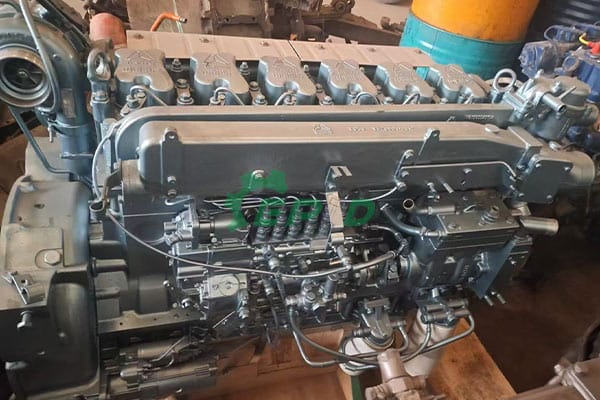
On wet-liner diesel engines such as the Weichai WD615 and WP10 families, the cylinder liner is not just a wear surface. It is a structural part of the combustion seal. The liner flange must sit at a precise height above the block deck so the cylinder head gasket can clamp it evenly. A cylinder liner installation tool is the device that presses the liner squarely into its bore without distorting the flange, and it is the first step toward a leak-free rebuild.
Without a proper cylinder liner installation tool, installers often resort to hammers, wooden blocks, or improvised pullers. These methods tilt the liner, damage the sealing rings, and leave the flange sitting unevenly. The result is a head gasket that cannot seal, coolant weeping past the O-rings, and in the worst case a cracked liner flange after the head bolts are torqued. The tool is inexpensive compared with the cost of pulling the engine apart twice.
What a Cylinder Liner Installation Tool Does
A quality cylinder liner installation tool is usually a plate or bridge that bolts to the block deck using existing head stud or bolt holes. A threaded rod or hydraulic ram then pushes the liner down evenly. Because force is applied through the center axis of the bore, the liner enters straight and the lower O-rings slide into their grooves without shaving. Some kits include interchangeable adapters so one tool covers several bore sizes across a fleet.
The tool also controls insertion depth. Pressing too far can unseat the liner from its flange seat; pressing too little leaves the liner high. Both conditions ruin protrusion. Always clean the block deck and liner seat before assembly, and lubricate the O-rings with the specified soap or rubber lubricant, never engine oil, which can swell some seal materials. For reference dimensions on a common replacement, see the Weichai cylinder liner WP10 listing.
Preparing the Block Before You Press
Before the cylinder liner installation tool goes on, the block must be ready. Remove all carbon and old gasket residue from the deck with a plastic scraper and a fine abrasive pad, then wipe with a lint-free cloth. Inspect the liner seat in the block for pitting or erosion; a damaged seat will never give a stable protrusion reading. Check that the counterbore is round and free of burrs, and confirm the new liner matches the bore and flange type of the old one.
Fit new sealing rings every time. A used ring that has taken a set will not seal reliably. Dry-fit the liner without rings first to confirm it drops freely into the bore and seats on the flange. If it binds, stop and find out why rather than forcing it with the tool. For engines getting a full rebuild, pair liner work with a fresh Weichai piston kit WD615E2 so the piston-to-liner clearance is correct from the start.
Correct Protrusion: What the Specification Means
Liner protrusion is the height of the liner flange above the block deck, measured after the liner is fully seated. Manufacturers specify a narrow band, often just a few hundredths of a millimeter. That figure is not arbitrary. Too little protrusion and the gasket cannot crush enough to seal combustion pressure. Too much and the gasket is over-compressed locally, the liner flange can crack, and the head may not sit flat.
Protrusion is measured per liner, and liners on the same block should be within a small tolerance of each other. Always use the engine manufacturer’s specification for your exact model rather than a generic figure. If a liner reads low, the cause is usually debris under the flange or a damaged seat. If it reads high, the liner may not be fully seated. Do not machine the flange to fix a reading until you have confirmed the seat is clean and the liner is correct.
Measuring Protrusion Step by Step
With the liner pressed home by the cylinder liner installation tool, place a straightedge across the block deck spanning the liner flange. Use a dial indicator with a magnetic base, zero it on the deck, then sweep the indicator tip across the flange face at several points around the circumference. Record each reading. A consistent reading around the liner confirms the flange is parallel to the deck; a varying reading points to a tilted or poorly seated liner.
Take readings at four positions, roughly 90 degrees apart, and average them. Compare the average against the specification and against the other cylinders. If any liner is out of tolerance, remove it and investigate before proceeding. Replacing the sealing rings and re-pressing is far cheaper than a repeat failure. Keep a written record of every reading; it is useful evidence if a warranty question arises later.
Common Installation Mistakes to Avoid
The most frequent error is skipping the cylinder liner installation tool and driving the liner in with a mallet. This almost always damages the O-rings and leaves the liner cocked. The second most common mistake is reusing old sealing rings or fitting them dry, which causes them to tear as the liner passes. A third is failing to clean the counterbore, leaving carbon that holds the flange high.
Other problems include mixing liners from different batches without checking flange thickness, over-torquing the tool and deforming the flange, and measuring protrusion before the liner is fully seated. On high-hour engines, worn main bearings can let the crankshaft drop, changing piston-to-head clearance, so check the bottom end as well. A fresh Weichai oil pump WD615E2 is a sensible addition when the engine is already apart.
Choosing the Right Tool and Parts for the Job
Select a cylinder liner installation tool designed for your engine family rather than a universal puller. Adapters should match the bore diameter closely so force is spread across the flange, not concentrated on the liner wall. Check that the threaded rod is long enough for the deepest liner in your fleet and that the bridge clears the studs. Inspect the tool before each use for bent plates or worn threads.
Pair the tool with quality liners, rings, and gaskets. A complete Weichai engine overhaul repair kit WP10 E3 simplifies ordering and ensures matched components. Store the tool clean and lightly oiled, and keep the dial indicator and straightedge in a protective case so your protrusion checks stay accurate season after season.
Frequently Asked Questions
Can I install a cylinder liner without a dedicated tool?
It is possible with a carefully made press plate, but a dedicated cylinder liner installation tool is strongly recommended. Improvised methods risk tilting the liner, damaging the sealing rings, and producing unreliable protrusion.
How often should I check liner protrusion?
Check every liner after installation and before fitting the cylinder head. Also recheck if the head has been removed for any reason, since disturbed gaskets and liners can shift.
What causes uneven protrusion readings around one liner?
Usually debris under the flange, a damaged counterbore seat, or a liner pressed in at an angle. Remove the liner, clean the seat, fit new rings, and press again with the tool.
Order Weichai Liner and Rebuild Parts with Confidence
Getting the cylinder liner installation tool and protrusion checks right protects the whole engine. When you need liners, piston kits, gaskets, or overhaul components, browse the full Weichai engine parts range at EPID Diesel Engine Parts and order with confidence.


