Cylinder liner protrusion is the small but critical height by which a liner sits above the top deck of the block. Get the measurement wrong and the head gasket cannot seal, which leads to coolant leaks, combustion-gas blow-by, and eventual engine failure. This buyer-focused guide walks through how to measure cylinder liner protrusion correctly on Yuchai engines, what the tolerance range means, and which parts matter most for a reliable rebuild.
Why Cylinder Liner Protrusion Matters
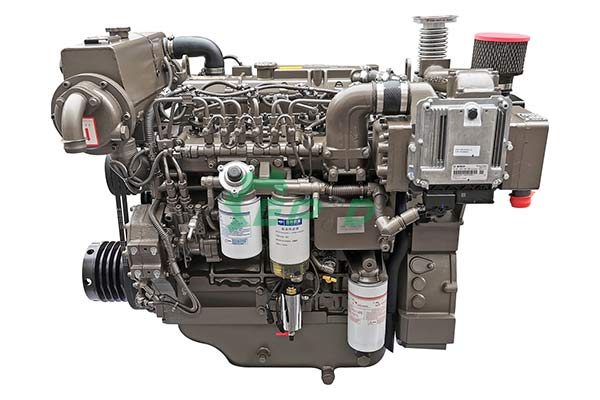
The head gasket relies on the liner standing slightly proud of the block face so the gasket fire ring can be compressed evenly around each bore. If the liner protrudes too little, the fire ring never seats and combustion pressure escapes. If it protrudes too much, the gasket can be crushed and the liner can crack under clamp load. Both conditions shorten engine life dramatically, and even a difference of a few hundredths of a millimeter across the bores can cause the gasket to seal unevenly.
For this reason, cylinder liner protrusion is measured on every liner after installation and is the single most important dimensional check before the cylinder head is torqued down. Skipping or rushing this step is a leading cause of repeat head gasket failures on rebuilt diesel engines.
It is a quick check, but it catches problems that would otherwise surface only after the engine is fully assembled and running.
Tools You Need to Measure Liner Protrusion
A reliable measurement starts with the right tools. You will need a depth micrometer or a dial indicator with a magnetic base, a precision straight edge, and a clean, debris-free block deck. Feeler gauges are not accurate enough for this job on their own, because the tolerance window is often only a few thousandths of a millimeter.
Make sure the liner is fully seated in its bore and that the block counterbore is clean. Even a tiny piece of carbon or a stray shim can lift the liner and throw the reading off by more than the entire allowable tolerance. Check the dial indicator against a known flat surface before starting so every reading is trustworthy.
Use a consistent, gentle touch on the indicator so the measurement reflects the liner height rather than how hard the tool is pressed.
Step-by-Step Measurement Procedure
First, set the dial indicator to zero on the block deck surface next to the liner. Then move the indicator tip onto the liner flange and read the height difference. Take readings at several points around the liner, typically at four positions spaced evenly around the bore, and record each value.
The protrusion is the difference between the liner flange and the deck. Compare your readings against the specification for the specific Yuchai model. If the values fall outside the allowed band, do not proceed with assembly until the cause is found, whether that is liner flange wear, a distorted block counterbore, or an incorrect liner for the application. Average multiple readings and confirm every value stays inside the factory band before torquing the head.
Document each value on the build sheet so the next rebuild has a clear baseline to compare against.
Getting Protrusion Right With Quality Parts
Consistent protrusion begins with a liner whose flange height matches the original specification. A worn or mismatched liner is the most common reason a rebuild fails this check. Pairing the correct liner with a clean, undamaged block is essential, and so is verifying the deck itself is flat before measuring. Check the block deck for flatness and clean every counterbore so no debris lifts the liner.
For Yuchai rebuilds, a direct-fit liner such as the Yuchai YC6G270-30 cylinder liner helps keep protrusion within specification. If the block deck or counterbore is damaged, you may need a replacement Yuchai engine cylinder block. Complete the sealing system with a Yuchai YC4D130 overhaul kit with gasket set so the gasket and liners are matched.
Frequently Asked Questions
What is the typical cylinder liner protrusion specification?
The specification varies by engine family, so always check the service manual for your exact Yuchai model. Values are usually measured in a range of just a few hundredths of a millimeter, which is why precise measurement and a clean deck are essential.
Can I reuse a liner if the protrusion is out of specification?
No. A liner that sits too high or too low cannot be shimmed into tolerance reliably. Replace the liner with a correct-fit part, such as the Yuchai YC6G270-30 cylinder liner, and re-measure before final assembly.
Do I need to measure protrusion on every cylinder?
Yes. Every liner must be measured independently because block counterbore wear and liner flange variation can differ from bore to bore. Skipping one cylinder risks a gasket failure at that exact location.
Accuracy here protects the entire rebuild. Shop Yuchai engine parts at EPID for liners, blocks, and gasket kits that help you hit protrusion specifications the first time.


