A diesel engine parts diagram is one of the most useful tools for anyone who maintains, repairs or overhauls a heavy-duty engine. Instead of guessing what sits behind the cylinder head or below the crankshaft, a labelled diagram shows every major component in its correct position. That visual map makes troubleshooting faster and helps you order the right parts the first time. In this guide we walk through the main sections of a diesel engine parts diagram, explain the name and function of each component, and show how quality Yuchai parts keep everything working together.
Why a Diesel Engine Parts Diagram Matters
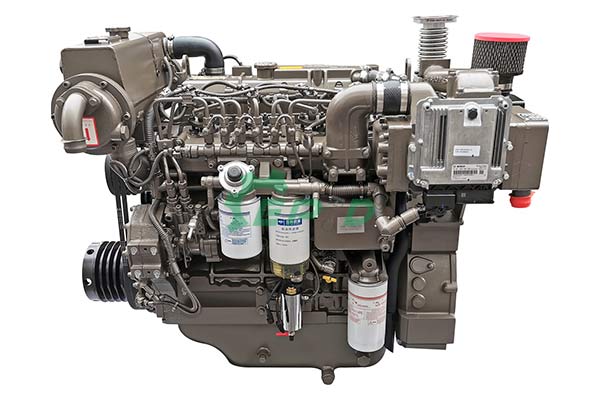
A diesel engine parts diagram turns a complex machine into a readable map. Each block, line and label corresponds to a real component with a specific job. For mechanics, fleet managers and parts buyers, that clarity reduces misdiagnosis and wrong orders. When you can see how the piston, liner, head gasket and turbo relate to one another, you can trace a fault to its source instead of replacing parts by guesswork.
Diagrams also make communication easier. A technician can point to a component on the diagram and share it with a supplier, which is especially helpful when sourcing Yuchai engine parts for models such as the YC6108G or YC4D130. The diagram becomes a shared reference that keeps everyone speaking the same language.
Cylinder Block and Crankcase
The cylinder block is the foundation of the engine and usually the largest shape on any diesel engine parts diagram. It houses the cylinders, supports the crankshaft and carries the cooling and oil passages. The crankcase, formed by the block and the oil pan, protects the rotating assembly and holds the lubricating oil. Together they provide the rigid structure that keeps every other component aligned under load.
Because the block endures constant vibration and thermal stress, its condition determines how long a rebuild will last. Before any overhaul, inspect the block for cracks, warping and worn bearing bores. A clean, well-machined block is the starting point for a reliable diesel engine overhaul.
Pistons, Rings and Cylinder Liners
On the diagram, the piston sits inside the cylinder liner and connects to the crankshaft through the connecting rod. The piston transfers combustion force into rotation, while the rings seal the combustion chamber and control oil. The liner provides a durable, replaceable wear surface so the block itself does not need to be rebored. These three parts form the heart of the power assembly.
Worn pistons or glazed liners cause blow-by, high oil consumption and lost power. Replacing them as a matched set restores compression and efficiency. For example, this Yuchai YC6108G-340 piston kit is designed to work with the matching liner and rings for a precise fit.
Cylinder Head and Valvetrain
The cylinder head caps the block and seals the combustion chambers. It contains the valves, valve springs, rocker arms and, in many designs, the camshaft. The diagram shows intake and exhaust ports, injector bores and coolant passages. The valvetrain opens and closes the valves at exactly the right moment so air enters and exhaust leaves efficiently.
Head gaskets, valve seals and injector seats are common wear points in this section. A leaking head gasket can mix coolant with oil or cause compression loss. Always check head flatness and valve clearance during a rebuild, and use a quality gasket set to prevent repeat failures.
Fuel System Components
The fuel system appears in the diagram as a chain running from the tank to the injectors. It includes the fuel pump, filter, high-pressure injection pump, lines and injectors. Each component has a clear function: filter the fuel, pressurise it, meter it and atomise it into the combustion chamber at the correct instant.
Fuel quality and filtration have a direct effect on injector life. Contaminated fuel wears precision surfaces quickly, causing rough running and smoke. Keep filters changed on schedule and inspect the injection pump during major service intervals to protect the whole system.
Cooling and Lubrication Systems
The cooling system includes the water pump, radiator, thermostat, hoses and coolant passages inside the block and head. Its job is to hold operating temperature in the safe range. The lubrication system includes the oil pump, filter, cooler and galleries that deliver oil to bearings, pistons and the valvetrain.
These two systems often share space on a diesel engine parts diagram because they work together to protect the engine. Overheating thins the oil and accelerates wear, while poor lubrication raises friction and heat. Regular coolant checks and oil analysis are simple habits that prevent expensive damage.
Gaskets, Seals and Overhaul Kits
Gaskets and seals are small parts with a big role. They appear throughout the diagram at every joint where fluids or gases must stay contained. Head gaskets, oil pan gaskets, valve cover seals and front and rear main seals all prevent leaks and maintain pressure. A single failed seal can lead to oil loss or coolant contamination.
Overhaul kits bundle these wear items so nothing is missed during a rebuild. A complete Yuchai YC6108G-340 overhaul kit pairs pistons and liners with the gaskets and seals needed for a proper rebuild. For lighter models, a YC4D130 overhaul kit with gasket set covers the same essentials in one package.
Reading the Diagram Before You Order Parts
A good diesel engine parts diagram helps you confirm fitment before you buy. Match the engine model, check the component position and compare the drawing with the part in hand. Note the surrounding parts as well, because a worn liner usually means worn rings and a tired gasket should be replaced with the head off.
When replacing liners, confirm the correct part for your engine family. This Yuchai YC6G270-30 cylinder liner shows how a specific liner is matched to its engine model. Taking a few minutes with the diagram saves hours of rework later.
Frequently Asked Questions
What does a diesel engine parts diagram show?
It shows the position, name and relationship of major components such as the block, pistons, liners, cylinder head, fuel system, cooling system and gaskets. It is used for diagnosis, repair planning and correct parts ordering.
Which parts wear out most often in a diesel engine?
Pistons, rings, cylinder liners, gaskets, seals, injectors and filters are among the most common wear items. Replacing them as matched sets during an overhaul restores compression, reduces leaks and improves reliability.
How do I choose the right Yuchai parts for my engine?
Identify your engine model, consult the parts diagram and match each component to the correct specification. Buying complete kits helps ensure pistons, liners, gaskets and seals work together as designed.
Ready to put your diagram knowledge to work? Browse the full range of genuine-quality Yuchai diesel engine parts at EPID Diesel Engine Parts and keep your engine running strong.


