Selecting the right weichai marine engine spare parts is one of the most important decisions a vessel operator or workshop makes. A fishing boat, tug, ferry or workboat depends on its main engine running reliably, and the quality of every liner, piston, gasket and pump directly affects uptime, fuel efficiency and safety at sea. Weichai marine engines, including the widely used WD615 and WP10 families, are known for robust construction and long service intervals, but they still need correct parts when wear or failure occurs.
This guide explains what to check, how to match parts to your engine, and how to plan maintenance so that weichai marine engine spare parts arrive on time and fit right the first time. Whether you are ordering for a single vessel or managing a fleet, the principles below will help you buy with confidence.
Understanding the Weichai Marine Engine Family
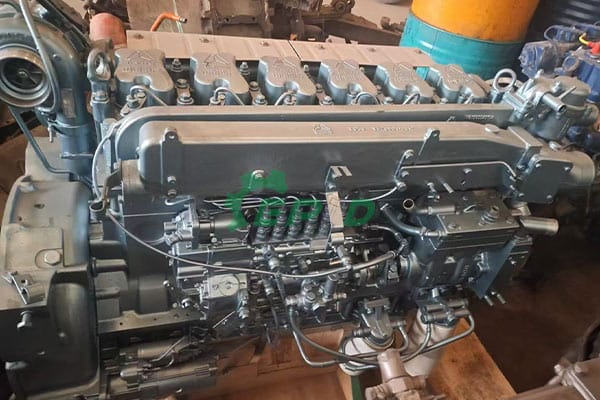
Weichai marine engines cover a broad power range, and many models share common architecture with their industrial and truck counterparts. The WD615 series is a familiar workhorse in smaller and mid-size marine applications, while the WP10 family serves vessels needing more displacement and torque. Because these engines share components across platforms, parts identification must rely on the engine nameplate, serial number and build configuration rather than guesswork.
Marine versions often differ from land-based versions in cooling, exhaust and fuel system details, so always confirm that a part is rated for marine duty. A component that fits physically may still be unsuitable if it is not matched to the marine duty cycle. Keep your engine documentation on board and reference it whenever you order weichai marine engine parts.
Cylinder Liners and Bore Condition
Cylinder liners are among the most frequently replaced weichai marine engine spare parts. Bore wear, scoring, cavitation pitting and out-of-roundness all affect compression and oil consumption. Before ordering, measure the bore at several heights and directions, and check the liner flange and sealing surfaces. If the engine has overheated or ingested water, inspect for cracks before assuming a simple re-ring will solve the problem.
When replacing liners, match the correct liner type and O-ring set to your block, and follow the manufacturer torque and protrusion specifications. For WP10 applications, a suitable replacement is the Weichai cylinder liner WP10, which should be installed with clean sealing surfaces and correct liner height. Poor installation is a common cause of coolant leaks and premature failure.
Pistons, Rings and Connecting Rod Components
Pistons and rings work as a system with the liner, so replacing one without inspecting the others often leads to short service life. Look for crown cracking, ring groove wear, scuffing on the skirt and carbon build-up. Ring end gaps and groove clearance must be checked against specification, and connecting rod bearings should be inspected whenever the piston is removed.
A complete assembly saves time and reduces mismatch risk. For WD615 engines, the Weichai piston kit WD615E2 provides a matched piston, rings and pin set for rebuild work. Always verify the piston bowl type and compression ratio against your engine configuration, because marine ratings can differ from industrial ratings.
Overhaul Kits and Planned Maintenance
Planned overhauls are far cheaper than emergency repairs at sea. An overhaul kit bundles the gaskets, seals, bearings and wear parts needed for a top or full rebuild, reducing the risk of missing items when the engine is already open. Plan overhauls around running hours, oil analysis trends and compression test results rather than waiting for a visible failure.
For WP10 engines, the Weichai engine overhaul repair kit WP10 E3 covers the core consumables for a structured rebuild. Confirm kit contents before ordering, since some kits are intended for top-end work only, and add any model-specific items your workshop manual lists.
Lubrication and Oil Pump Checks
Oil pressure problems are a frequent reason vessels are taken out of service. Before blaming the pump, check oil level, filter condition, relief valve operation and gauge accuracy. A worn pump shows low pressure at idle, slow pressure build-up and increased metal content in oil analysis. Marine engines running at sustained load benefit from careful monitoring of oil temperature as well as pressure.
When replacement is needed, the Weichai oil pump WD615E2 is a direct option for that engine family. Always prime the lubrication system after installation and verify pressure before returning the vessel to service.
Cooling, Fuel and Electrical Parts
Marine engines face saltwater, humidity and continuous load, so cooling system parts deserve close attention. Inspect heat exchangers, raw water pumps, thermostats and hoses for corrosion and blockage. Fuel system components such as injectors and feed pumps should be tested rather than simply replaced when performance drops, since contamination is often the real cause.
Electrical spares, including sensors, harnesses and starter components, should match the engine control configuration. Keep a small onboard spares kit covering filters, belts, sensors and gaskets, and record every replacement with running hours. This habit makes future ordering of weichai marine engine spare parts faster and more accurate.
How to Identify the Correct Part
Start with the engine nameplate and serial number, then cross-check the parts catalogue for your exact build. Photograph the old part, note any casting marks and measure critical dimensions. Avoid relying on generic descriptions alone, because the same engine family can carry different configurations depending on application and production period.
Share clear photos and engine details with your supplier before ordering. A reputable supplier will confirm fitment, explain alternatives and flag any items that require matching. This step prevents costly returns and avoids downtime while the vessel waits for the right component.
Quality, Storage and Installation Tips
Quality matters more at sea than almost anywhere else. Ask about material specifications, surface finish and inspection standards, and prefer suppliers who can trace parts to known production. Store spare parts in dry, ventilated conditions away from salt spray, and keep gaskets flat and sealed until installation.
During installation, follow torque sequences, use clean lubricants and replace fasteners where specified. After any major repair, run the engine under gradually increasing load and monitor temperature, pressure and exhaust condition. Careful installation protects both the new parts and the rest of the engine.
Frequently Asked Questions
How do I know which weichai marine engine spare parts fit my engine?
Use the engine nameplate, serial number and build configuration to identify the exact model, then cross-check the parts catalogue and confirm measurements with your supplier before ordering.
How often should marine engine overhaul kits be used?
Overhaul timing depends on running hours, load profile and oil analysis results. Many operators plan major work based on hours and condition monitoring rather than a fixed calendar interval.
Can I mix parts from different suppliers in one rebuild?
It is possible, but matched sets reduce risk. Confirm tolerances and material specifications, and keep records of every component so future maintenance remains predictable.
Ready to order? Explore the full Weichai diesel engine parts range at EPID Diesel Engine Parts and request a quotation with your engine details today.


