Why the Diesel Engine Parts HS Code Matters for Weichai Exporters
Every shipment of Weichai spare parts crosses a border with a customs declaration, and that declaration begins with the diesel engine parts hs code. The code tells customs officers what the goods are, how they should be taxed, and whether any special controls apply. A wrong or vague code can delay clearance, trigger inspections, or create duty disputes that eat into your margin.
For exporters dealing in Weichai WD615, WD618 and WP12 components, understanding the HS classification system is as important as knowing the parts themselves. This guide explains how diesel engine parts are classified, which documents customs expects, and how to avoid the most common mistakes when shipping engine spare parts abroad.
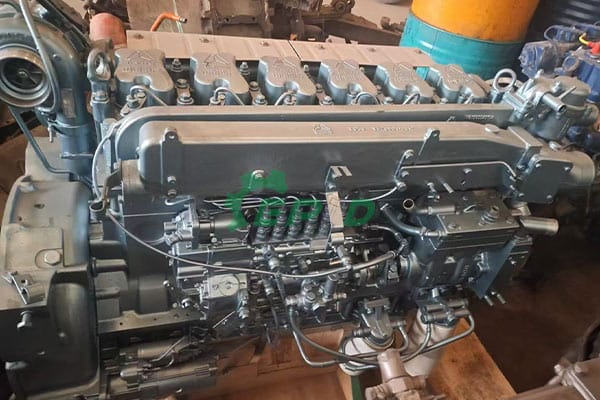
How the Harmonized System Classifies Engine Parts
The Harmonized System, maintained by the World Customs Organization, organizes all traded goods into chapters, headings and subheadings. Diesel engine parts generally fall under Chapter 84, which covers machinery and mechanical appliances. Within that chapter, heading 8409 is dedicated to parts suitable for use solely or principally with the engines of headings 8407 and 8408.
That means most pistons, cylinder liners, gasket kits, crankshafts and overhaul components for compression-ignition diesel engines are declared under the 8409 family. The six-digit subheading then narrows the classification further, and individual countries add their own national tariff lines beyond that. Always confirm the full national code with your customs broker before filing.
Common Subheadings for Weichai Engine Components
Within heading 8409, subheading 8409.99 is the general bucket for parts of engines other than those used in aircraft. Most Weichai spare parts, from a full gasket kit to a piston assembly, are declared here unless a more specific subheading applies. Some items, such as certain fuel injection components or electrical parts, may fall under different headings entirely.
Because classification depends on the part’s function rather than the engine model, a WD615 gasket set and a WP12 crankshaft can share the same six-digit code while carrying different national tariff suffixes. When preparing a mixed shipment, list each part line separately with its own description and code so customs can verify the declaration line by line. For reference parts like a Weichai full gasket kit WD615, a precise description helps the broker assign the right code quickly.
Documents That Must Match Your HS Code
Customs authorities compare the HS code on your commercial invoice with the packing list, bill of lading and certificate of origin. Any mismatch between these documents is a red flag that can stall clearance. Make sure the goods description on every document uses consistent wording and reflects the actual part, not a generic phrase like machinery parts.
For larger consignments such as a Weichai WD618 engine overhaul repair kit, attach a detailed parts list showing item names, quantities and weights. If your destination country requires a pre-shipment inspection, the inspection certificate should quote the same HS code. Consistency across the document set is the single most effective way to reduce clearance friction.
Classification Pitfalls When Shipping Engine Spare Parts
One frequent error is classifying a complete assembly as a single part. A crankshaft shipped on its own is a part, but a partially assembled short block may be treated differently. Another pitfall is using an outdated code after a tariff revision. National tariff schedules change, and a code that was correct last year may no longer exist.
Exporters also sometimes group unrelated items under one code to simplify paperwork. Customs officers notice this quickly, especially on high-value shipments. Declare a Weichai diesel engine crankshaft WP12 under its own line with a clear description, and keep piston assemblies separate as well. Granular declarations take slightly more effort but rarely cause problems.
Duty Rates, Taxes and Free Trade Agreements
The diesel engine parts hs code determines the duty rate applied at import, and rates vary widely between markets. Some countries levy relatively low duties on engine components to support their repair and transport sectors, while others protect domestic manufacturing with higher tariffs. Knowing the rate in advance lets you quote landed costs accurately to buyers.
Free trade agreements can reduce or eliminate duties when the origin rules are met. A valid certificate of origin referencing the correct HS code is essential to claim preferential treatment. If you regularly ship to the same market, build a classification sheet listing each part you sell, its code and the applicable duty rate, then update it whenever tariff schedules change.
Practical Tips for First-Time Exporters
Start by asking your freight forwarder or customs broker to confirm the national tariff line for each product family you handle. Keep a written record of the reasoning behind each classification, including product literature and photos. If customs later questions a shipment, this documentation supports your position and speeds up resolution.
Label cartons and pallets with the part name and quantity so they match the packing list. For items such as a Weichai piston kit WD615E2, include the engine model in the description because it helps officers understand the end use. Good labelling and clear descriptions reduce the chance of a physical inspection.
Working With a Reliable Parts Supplier
Classification is easier when your supplier provides accurate product data. A dependable partner supplies consistent part names, engine model references and packing details that map directly onto your customs declaration. That reduces back-and-forth with the broker and keeps shipments moving.
Choose suppliers who understand export documentation and can respond quickly when customs asks for clarification. Reliability at the sourcing stage translates into predictability at the border, which matters most when buyers are waiting on urgent repairs.
Frequently Asked Questions
What is the HS code for diesel engine parts?
Most diesel engine parts are classified under heading 8409, with subheading 8409.99 covering parts of engines other than aircraft engines. The full national code depends on your destination country, so confirm the eight or ten-digit line with a customs broker.
Do all Weichai spare parts use the same HS code?
No. While many mechanical components share the 8409 family, electrical parts, fuel system items and complete assemblies may fall under different headings. Declare each product line separately with a clear description.
Can the wrong HS code delay my shipment?
Yes. An incorrect or vague code can trigger inspections, duty adjustments or penalties. Matching the code across the invoice, packing list and certificate of origin is the best way to avoid delays.
Source Quality Weichai Parts for Your Next Shipment
Ready to export with confidence? Browse the full Weichai diesel engine parts range at EPID Diesel Engine Parts and request a quotation with complete product details for smooth customs clearance.


