Why the Fuel Injector Seal Kit Matters on Weichai Diesels
On any Weichai diesel engine, the injector sits at the meeting point of fuel pressure, combustion heat and coolant flow. A fuel injector seal kit is the small but critical package of copper washers, O-rings, gaskets and dust seals that keeps those three worlds apart. When one seal fails, the symptoms range from a hard cold start and rough idle to fuel dilution in the oil, coolant loss or a carbon-packed injector bore that refuses to release the nozzle.
Choosing the right set is therefore not a commodity decision. A kit that is dimensionally close but materially wrong can seal for a week and then weep, harden or extrude under pressure. This guide explains what actually sits inside a typical Weichai injector seal kit, how materials differ, and how to confirm fitment before you fit a single washer.
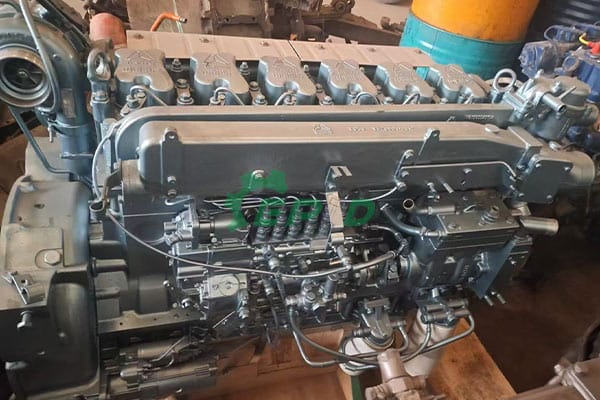
What Is Included in a Typical Fuel Injector Seal Kit
A complete fuel injector seal kit for a Weichai unit usually contains a copper or steel-composite nozzle washer that seals combustion gas from the injector bore, one or more Viton or nitrile O-rings for the fuel inlet and leak-off connections, a hold-down clamp gasket where the design uses one, and a dust or dirt seal for the upper injector body. Some kits add a bore sleeve or a heat-shrink protector for the injector tip.
The trap is buying a partial kit. Many workshops replace only the copper washer because it is the visible failure, then reuse hardened O-rings that are already flattened. A proper kit replaces every elastomer and every metal seal in the fuel path at once, which is why buying a complete set is cheaper than a second strip-down. If you are already planning major work, pairing injector seals with a Weichai engine overhaul repair kit WP10 E3 keeps the whole top-end reseal in one order.
Copper Washers, O-Rings and Gasket Materials Explained
Copper nozzle washers are chosen for their ability to crush and conform to minor imperfections in the injector bore while conducting heat away from the tip. Annealed copper is soft enough to seal at the specified torque; work-hardened copper will not crush properly and often leaks again within weeks. Some later engines use a steel washer with a graphite or composite facing, which resists higher combustion pressures but demands a cleaner bore surface.
Elastomer choice matters just as much. Standard nitrile O-rings cope with diesel fuel at moderate temperatures, while Viton (FKM) grades tolerate the higher temperatures near the injector body and resist biodiesel blends better. Never substitute a generic O-ring from a box of assorted sizes: the cross-section and hardness are engineered for a specific groove. A diesel injector gasket kit from a reputable supplier will state the material grade, and that detail is your best protection against repeat failures.
Matching the Kit to Your Weichai Engine Family
Weichai builds several engine families, and injector sealing arrangements differ between them. The WD615 and WD615E2 series use a well-known injector layout with a copper nozzle washer and upper O-rings, while WP10 and WP12 engines introduce variations in the hold-down arrangement and leak-off pipe sealing. A kit listed for one family should not be assumed to fit another just because the injector body looks similar.
Confirm the engine plate details, the injector part number and, where possible, the bore diameter before ordering. When you are refreshing the bottom end at the same time, matching components such as a Weichai piston kit WD615E2 and a Weichai cylinder liner WP10 from the same catalogue reduces the risk of mixed-spec parts. A consistent parts source is worth more than a marginally lower unit price.
Reading the Old Seals: Diagnosis Before Replacement
Before you throw the old seals away, inspect them. A copper washer that is blackened and flattened on one side points to a distorted bore or an injector that was not seated squarely. O-rings that are hard, cracked or swollen suggest overheating or contact with the wrong fluid. Fuel weeping past the upper seal often leaves a varnish ring on the injector body that tells you exactly where the leak path ran.
This diagnosis decides whether a standard fuel injector seal kit is enough or whether the bore needs re-cutting and a sleeve fitted. Fitting new seals into a damaged bore simply repeats the failure. Clean the bore with the correct brush, blow it dry, and check for scoring with a light before any new washer goes in.
Installation Checks That Prevent Comebacks
Torque, cleanliness and lubrication decide whether a seal kit lasts. Fit the copper washer dry on a perfectly clean seat, lubricate O-rings with clean diesel or the specified assembly grease, and tighten the hold-down to the manufacturer specification rather than by feel. Over-torquing distorts the clamp and tilts the injector; under-torquing lets combustion pressure work the washer loose.
After assembly, prime the fuel system, run the engine and recheck for leaks at idle and under load. A quick re-torque check after the first heat cycle catches settling washers. Keep a record of the kit used and the date, because injector seal life is a useful indicator of fuel quality and cooling system health. If oil pressure looks low during the same service, inspect the Weichai oil pump WD615E2 before the engine goes back into daily service.
Common Mistakes When Buying Injector Seal Kits
The most frequent error is buying on dimensions alone. Two washers can share an outer diameter and differ in thickness or hardness, and the wrong one will not seal at the specified torque. The second mistake is reusing hold-down bolts and clamps that have yielded, which lets the injector lift under combustion pressure. The third is mixing brands within one engine, so no single specification governs the joint.
A fourth mistake is ignoring the leak-off system. Cracked plastic or hardened rubber leak-off connectors let air into the fuel return and cause rough running that looks like an injector fault. Buy a kit that includes these small parts, or order them alongside. Finally, store seals in their packaging away from sunlight and ozone until fitting; elastomers age on the shelf as surely as they do in service.
Building a Sensible Spares Strategy
Fleets that run several Weichai engines benefit from holding a small stock of the most common injector seal kits, copper washers and O-ring sets. Standardising on one supplier and one specification means a technician can pick a kit with confidence at night, in the field, without cross-checking three catalogues. It also makes warranty conversations simpler when a seal fails early.
Record the engine family, injector number and kit reference for every unit in the fleet. Over a year, that data shows which engines are eating seals and why, whether from heat, contaminated fuel or poor bore condition. That is far more valuable than any single low-price purchase.
Frequently Asked Questions
How often should a fuel injector seal kit be replaced?
Replace the seals whenever an injector is removed, and inspect them if you notice hard starting, fuel smells, carbon build-up around the injector or coolant loss. There is no fixed interval, but many workshops inspect seals at major service intervals on high-hour engines.
Can I reuse the copper washer if it looks fine?
No. Copper work-hardens once it has been crushed, so a used washer will not conform to the bore again and is a common cause of repeat leaks. Always fit a new washer from the kit.
Are all Weichai injector seal kits the same?
No. Kits differ by engine family, injector type, washer material and O-ring compound. Always match the kit to the engine plate and injector number, and check that the kit includes every elastomer in the fuel path.
Browse the full Weichai diesel engine parts range to match the right fuel injector seal kit and related components to your engine.


