When your Weichai WD615 engine starts to lose oil pressure or makes unusual noises, a failing oil pump could be the culprit. The oil pump is the heart of your engine’s lubrication system, and its failure can lead to catastrophic damage if not addressed promptly. In this guide, we’ll walk you through the symptoms of a weichai wd615 oil pump failure, common causes, and the steps to fix it. By understanding these key points, you can act quickly to prevent costly repairs and keep your engine running smoothly.
Recognizing the Symptoms of Oil Pump Failure
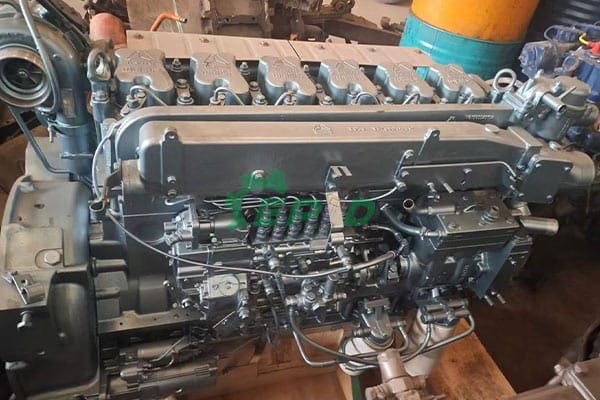
The most obvious sign of a weichai wd615 oil pump failure is a sudden drop in oil pressure. Your dashboard oil pressure warning light may flicker or stay on, and the gauge may read lower than normal. This happens because the pump can no longer maintain adequate pressure to circulate oil through the engine.
Another common symptom is unusual noises coming from the engine, such as whining, ticking, or knocking. These sounds occur due to insufficient lubrication, causing metal components to rub against each other. If you notice any of these signs, it’s crucial to investigate immediately to avoid severe engine damage.
Common Causes of Weichai WD615 Oil Pump Failure
Oil pump failure can result from several factors. One of the most common is worn internal components, such as gears or rotors, which reduce the pump’s ability to generate pressure. Contaminated oil or sludge buildup can also cause the pump to clog or seize, leading to failure.
Additionally, a faulty pressure relief valve can cause the pump to malfunction, either by sticking open and reducing pressure or sticking closed and causing excessive pressure that damages the pump. Regular maintenance and using high-quality oil are essential to prevent these issues.
Diagnosing Oil Pump Failure
To confirm a weichai wd615 oil pump failure, start by checking the oil level and condition. If the oil is dirty or low, top it up or change it and see if the problem persists. Next, use a mechanical oil pressure gauge to verify the actual oil pressure; if it’s below specifications, the pump is likely faulty.
You can also inspect the oil pump drive gear and the pump itself for wear or damage. In some cases, removing the oil pan and examining the pickup tube for blockages is necessary. If you find a clogged pickup tube, cleaning it might restore pressure without replacing the pump.
Immediate Steps to Take When Failure Occurs
If you suspect an oil pump failure, stop the engine immediately to prevent further damage. Continuing to run the engine with low oil pressure can lead to seized bearings, scored cylinders, and a complete engine overhaul. Once stopped, check the oil level and look for leaks.
If the oil level is fine but pressure is low, do not restart the engine. Instead, have it towed to a repair facility for professional diagnosis. Attempting to drive with a failing oil pump can turn a simple repair into a major rebuild.
Replacing the Oil Pump: What You Need to Know
When replacement is necessary, choose a high-quality Weichai oil pump WD615E2 that meets OEM specifications. A genuine or reliable aftermarket pump ensures proper fit and function. Before installation, clean the mounting surface and check the pickup tube for debris.
It’s also wise to replace the oil pump gasket and seals to prevent leaks. After installation, fill the engine with the correct oil type and prime the system by cranking the engine briefly without starting it. Then, start the engine and verify oil pressure is within spec.
Related Components to Inspect During Repair
While addressing oil pump failure, inspect related components that may have suffered from inadequate lubrication. For instance, check the Weichai piston kit WD615E2 for scuffing or wear, as pistons are particularly vulnerable to oil starvation. Similarly, examine the Weichai cylinder liner WP10 for scoring or excessive wear.
If you find significant damage, consider a complete Weichai engine overhaul repair kit WP10 E3 to restore your engine to like-new condition. Replacing worn components together can save time and ensure reliability.
Preventive Maintenance for Long Oil Pump Life
To avoid future oil pump failures, adhere to a strict maintenance schedule. Change the oil and filter at recommended intervals, and always use oil that meets Weichai’s specifications. Regularly check the oil level and top up as needed.
Also, pay attention to oil quality; if it becomes dark or gritty, change it immediately. Keeping the engine clean and addressing minor issues promptly can extend the life of your oil pump and entire engine.
Frequently Asked Questions
What are the early signs of a failing oil pump in a Weichai WD615?
Early signs include a flickering oil pressure light, lower-than-normal oil pressure readings, and unusual engine noises like ticking or whining. Catching these early can prevent major damage.
Can I drive with a faulty oil pump?
No, driving with a faulty oil pump is extremely risky. It can lead to complete engine failure within minutes. If you suspect a problem, stop the engine and seek professional help immediately.
How often should the oil pump be replaced?
There’s no fixed interval, but it’s often replaced during major overhauls or if symptoms appear. Regular maintenance and using quality oil can help it last the life of the engine.
For all your Weichai WD615 oil pump and engine parts needs, trust EPID Diesel Engine Parts to deliver quality and reliability.


