Why Liner and Piston Matching Matters on the WP10
The Weichai WP10 is a workhorse diesel found in trucks, buses, and construction equipment, and its wet liner design means the cylinder liner and piston must be treated as a matched pair. A correct weichai wp10 cylinder liner piston combination keeps compression high, oil consumption low, and cylinder wear even. When either part is installed without checking the other, you risk piston slap, blow-by, and premature scoring.
This guide explains how to verify bore size, confirm piston-to-liner clearance, set ring end gaps, and choose the right parts for a rebuild. Every step assumes you are working with genuine or properly specified components for the WP10 platform, so the engine returns to its original performance envelope.
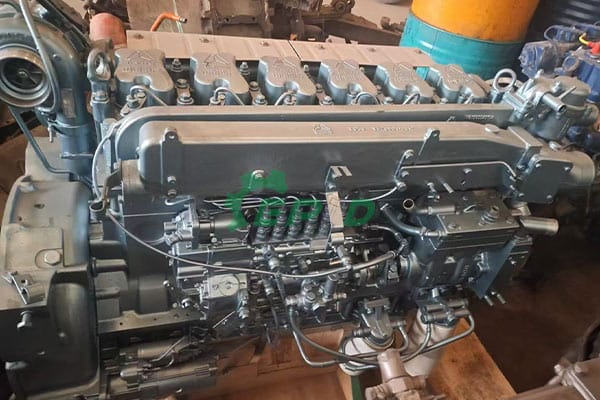
Understanding the WP10 Wet Liner Design
The WP10 uses replaceable wet cylinder liners that sit in the block and seal against coolant through O-rings at the lower end. Because the liner carries the combustion load and the piston rides inside it, the liner bore, roundness, and surface finish directly control piston ring sealing. A scored or out-of-round liner cannot be corrected by fitting new rings alone.
Liners are supplied in matched grades or with size markings so you can keep bore clearance within specification. Always record the liner grade and piston grade before assembly, and never mix grades across cylinders without confirming the block deck and crankshaft geometry are sound.
Measuring the Liner Bore Before Fitting Pistons
Before any piston goes in, clean the liner bore and measure it at three heights and two axes with a bore gauge. Compare readings against the WP10 service limits for ovality and taper. If the liner is new, confirm the bore matches the piston grade marked on the crown or pin boss. For reference dimensions, check the Weichai WP10 cylinder liner specification page and record the nominal bore.
Also inspect the liner flange height and the counterbore in the block. A liner that sits proud or recessed changes compression ratio and head gasket sealing. If the flange height is out of tolerance, correct the block counterbore before proceeding.
Checking Piston-to-Liner Clearance
Piston-to-liner clearance is the single most important number in this job. Measure the piston skirt at the specified point, then subtract it from the liner bore. Compare the result with the WP10 clearance range for your piston design. Too little clearance causes scuffing when the engine reaches operating temperature; too much causes slap and poor ring sealing.
When clearance is correct, the piston should slide freely with light oil and show no tight spots. If you are replacing pistons, confirm the Weichai piston kit includes the correct pin, rings, and circlips for your build, and verify the compression height against the old piston.
Ring End Gap and Orientation
Ring end gaps must be checked in the actual liner bore, not in the box. Square each ring in the bore with a piston crown, then measure the gap with a feeler gauge. Top compression rings usually need a larger gap than oil rings, and the gap grows as the ring wears. File gaps only from the outside edge and deburr carefully.
Ring orientation matters: follow the marking on the ring face, usually a dot or the word TOP facing the combustion chamber. Stagger the gaps around the piston at roughly 120-degree intervals and keep the oil ring expander ends butted, not overlapped.
Piston Pin, Rod, and Liner Sealing Checks
Heat the piston to the specified temperature before pressing the pin, or use the floating-pin method if your design allows it. Confirm the pin slides through the rod small end without excessive play, and check the circlips seat fully in their grooves. A pin that walks out will destroy the liner in seconds.
For wet liners, lubricate new O-rings and seat them in the correct grooves. Fit the liner with a proper puller or press, never by hammering. After installation, check that the liner protrusion matches the head gasket specification and that the liner does not rotate.
Planning the Full Overhaul
Liner and piston work rarely happens alone. If the engine has high hours, the bearings, gaskets, and seals should be renewed at the same time. A complete Weichai engine overhaul repair kit keeps the rebuild consistent and avoids mismatched wear parts.
During assembly, inspect the oil pump for wear and replace it if pressure was low before the rebuild. A tired Weichai oil pump cannot protect new liners and pistons at cold start, so check the drive gear and relief valve while the engine is apart.
Common Mistakes to Avoid
Do not fit new rings to a worn liner, and do not assume a new liner matches every piston grade. Avoid mixing liner brands within one block, and never reuse head bolts or O-rings on a WP10 rebuild. Keep the block deck clean and flat, and torque the head in the correct sequence.
Finally, prime the oil system before the first start, run the engine at moderate load for the break-in period, and recheck oil pressure and blow-by afterward.
Frequently Asked Questions
Can I replace only the piston without changing the liner?
Only if the liner bore is within wear limits and shows no scoring. Measure ovality and taper first, because a worn liner will not seal against a new piston and rings.
How do I know which liner grade I need?
Check the marking on the original liner and the piston crown, then confirm the bore with a gauge. The grade must match the piston so clearance stays within the WP10 specification.
What causes liner scoring after a rebuild?
Common causes include incorrect piston clearance, dirty assembly, wrong ring gaps, and low oil pressure at startup. Cleanliness and correct clearances prevent most failures.
Ready to plan your rebuild? Browse the full Weichai diesel engine parts range to match liners, pistons, and overhaul kits for your WP10.


