The Weichai WP10 engine is a workhorse in heavy trucks, construction equipment, and industrial applications. Its oil pump and water pump are critical for lubrication and cooling, and when they fail, downtime is costly. This guide covers everything you need to know about weichai wp10 oil pump water pump replacement, from symptoms to step-by-step procedures.
Why the Oil Pump and Water Pump Are Critical on the WP10
The oil pump circulates pressurized oil to bearings, pistons, and the turbocharger, preventing metal-to-metal contact and overheating. The water pump drives coolant through the engine block, cylinder head, and radiator, maintaining optimal operating temperature. On the WP10, both components are gear-driven or belt-driven, depending on the application, and they endure extreme heat, vibration, and contamination.
Neglecting either pump can lead to catastrophic engine damage. A failing oil pump can cause bearing seizure, while a failing water pump can result in overheating, warped cylinder heads, and blown head gaskets. Regular inspection and timely replacement are essential for fleet reliability and safety.
Common Symptoms of a Failing Oil Pump
Recognizing the early signs of oil pump failure can save your engine. Watch for the oil pressure warning light flickering at idle, especially when the engine is hot. A gradual drop in oil pressure on the gauge is another red flag. You might also hear ticking or knocking noises from the valve cover or lower engine block, indicating insufficient lubrication.
Other symptoms include oil leaks around the pump housing, metal debris in the oil pan, and increased engine temperature. If you notice any of these, stop the engine immediately and inspect the oil pump. Continuing to drive with a faulty pump can lead to complete engine seizure.
Common Symptoms of a Failing Water Pump
A failing water pump often announces itself with coolant leaks. You may spot puddles of green, pink, or orange fluid under the front of the engine. The weep hole on the pump housing may drip, indicating a worn seal. Overheating is another classic sign; the temperature gauge climbs above normal, especially in stop-and-go traffic or under load.
You might also hear a grinding or whining noise from the front of the engine, caused by worn bearings. Steam from the radiator or coolant reservoir, a sweet smell, and a low coolant level are additional clues. If the heater blows cold air while the engine is hot, the water pump may not be circulating coolant effectively.
Tools and Parts You Will Need
Before starting the replacement, gather the necessary tools: a socket set, wrench set, torque wrench, pulley puller, gasket scraper, drain pan, and new coolant. You will also need a replacement oil pump, water pump, gaskets, O-rings, and possibly a new drive belt or tensioner. Always use high-quality parts designed for the Weichai WP10 to ensure proper fit and durability.
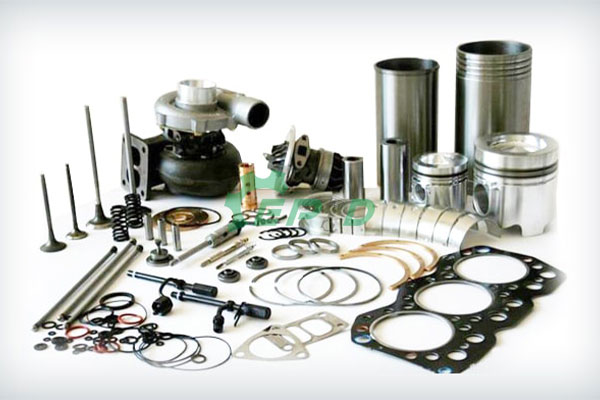
For the oil pump, consider a Weichai oil pump WD615E2 AZ1500070021A if it matches your engine variant. For the water pump, the Weichai WP10 water pump is a direct-fit replacement. If you own a WP7, the Weichai WP7 water pump is also available. While the oil pump is out, inspect the Weichai piston kit WD615E2 612600030010 for wear, as oil starvation can damage pistons and rings.
Step-by-Step Oil Pump Replacement
Start by disconnecting the battery and draining the engine oil into a clean pan. Remove the oil pan and pickup tube to access the oil pump. On most WP10 engines, the oil pump is located at the bottom of the engine, driven by the crankshaft gear or a chain. Remove the bolts securing the pump and carefully pull it out, noting the orientation of the drive gear.
Clean the mounting surface and install the new oil pump with a new gasket. Torque the bolts to the manufacturer’s specification, typically 25-30 Nm. Reinstall the pickup tube and oil pan with a new gasket. Refill with the recommended oil, start the engine, and check for leaks and proper oil pressure. If pressure is low, prime the pump by cranking the engine without starting until pressure builds.
Step-by-Step Water Pump Replacement
Drain the cooling system into a suitable container. Remove the drive belt, fan shroud, and fan. Disconnect the hoses from the water pump and remove the pulley bolts. Unbolt the water pump from the timing cover or block, and carefully pry it loose. Clean the gasket surface and ensure no old gasket material remains.
Install the new water pump with a new gasket and O-rings. Torque the bolts in a crisscross pattern to 20-25 Nm. Reinstall the pulley, fan, and belt. Refill the cooling system with a 50/50 mix of coolant and distilled water. Bleed the system to remove air pockets, run the engine to operating temperature, and check for leaks. Recheck the coolant level after the engine cools.
Torque Specifications and Tips
Always consult your WP10 service manual for exact torque values, as they can vary by model year and application. As a general guide, oil pump bolts are typically 25-30 Nm, water pump bolts 20-25 Nm, and pulley bolts 15-20 Nm. Use a calibrated torque wrench and tighten in stages to avoid warping. Apply thread sealant to bolts that go into coolant passages.
Label connectors and hoses before removal to simplify reassembly. Use OEM or high-quality aftermarket parts; cheap pumps often fail prematurely. Replace the thermostat and coolant hoses if they show signs of wear. After installation, run the engine and monitor oil pressure and coolant temperature for the first few hours of operation.
Preventive Maintenance for Longevity
Extend the life of your WP10 oil pump and water pump with regular maintenance. Change the oil and filter every 500 hours or as recommended, using the correct viscosity. Flush the cooling system every two years and maintain the proper coolant concentration. Inspect the drive belt and tensioner for cracks or glazing, and replace them as needed.
Keep the radiator and charge air cooler clean to prevent overheating. Use a coolant filter if your engine is equipped with one. Monitor oil pressure and coolant temperature daily; any deviation from normal indicates a problem. Address small leaks immediately to prevent major failures.
Frequently Asked Questions
How often should I replace the oil pump and water pump on a Weichai WP10?
There is no fixed interval, but most fleets inspect both pumps at 200,000 km or 5,000 hours. Replace them if you notice symptoms like low oil pressure, coolant leaks, or overheating. Preventive replacement at engine overhaul is also common.
Can I replace the water pump without draining the coolant?
No, you must drain the cooling system to avoid spills and air pockets. Draining also prevents coolant from entering the oil pan or cylinders during removal.
What causes repeated water pump failures?
Repeated failures often stem from a misaligned belt, excessive tension, contaminated coolant, or a faulty radiator cap that allows air into the system. Always diagnose the root cause before installing a new pump.
For genuine and aftermarket Weichai WP10 oil pumps, water pumps, and other engine parts, trust the experts at EPID Diesel Engine Parts. We supply high-quality components for Weichai and other major diesel brands, backed by technical support and fast shipping. Visit our Weichai brand hub to find the right parts for your engine.


