When it comes to maintaining the performance and longevity of your Weichai WP12 engine, the crankshaft is a critical component. Proper weichai wp12 crankshaft fitment ensures that the engine operates smoothly, delivering power efficiently while minimizing wear. This guide will walk you through the essential aspects of selecting and fitting a crankshaft for the WP12 engine, covering everything from material selection to installation best practices. Whether you are a seasoned mechanic or a fleet owner, understanding these details can save you time and money.
Understanding the WP12 Crankshaft
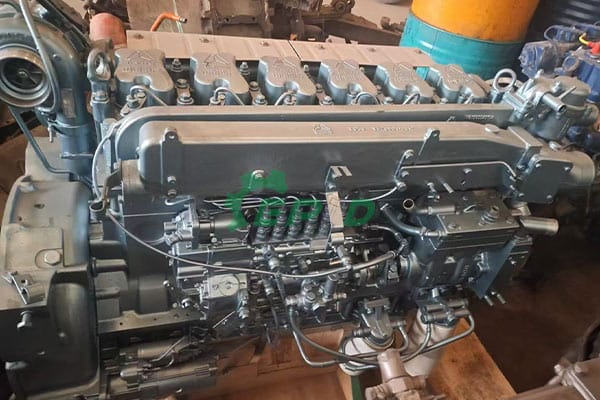
The WP12 engine is a heavy-duty diesel powerplant used in various applications, from trucks to construction equipment. Its crankshaft is designed to withstand high torque and stress, converting linear piston motion into rotational force. The WP12 crankshaft is typically forged from high-strength steel and features precision-machined journals and counterweights. Understanding its specifications is the first step toward proper fitment.
Before selecting a replacement, verify the engine’s serial number and configuration, as variations exist across production years. The crankshaft must match the engine’s stroke, main journal diameter, and counterweight design. Using an incompatible crankshaft can lead to vibration, bearing failure, or catastrophic engine damage. Always refer to the service manual for exact specifications.
Key Factors in Crankshaft Selection
Selecting the right crankshaft for your WP12 engine involves more than just matching part numbers. Consider the material and manufacturing process: forged crankshafts offer superior strength and fatigue resistance compared to cast alternatives. Additionally, check for surface treatments such as nitriding, which enhances wear resistance on journals. The quality of the oil holes and fillets also impacts durability.
Another crucial factor is the balance and runout of the crankshaft. A well-balanced crankshaft reduces vibrations and extends the life of bearings and other components. When purchasing, request a balance report and runout measurements. For genuine Weichai parts, you can explore the Weichai WP12 crankshaft options that meet OEM specifications.
Inspecting the Crankshaft and Block
Before installation, thoroughly inspect both the new crankshaft and the engine block. Check the crankshaft journals for scoring, cracks, or excessive wear. Use a micrometer to measure journal diameters at multiple points to ensure they are within tolerance. The block’s main bearing bores should be clean and free of damage; align-boring may be necessary if the bores are out of round.
Also, inspect the thrust surfaces and rear seal area. Any imperfections can cause oil leaks or end-play issues. If you are reusing the original crankshaft, have it magnafluxed and reground if needed. Remember that proper clearance between the crankshaft and bearings is critical for oil pressure and longevity.
Step-by-Step Fitment Process
Start by cleaning all components thoroughly. Install the main bearings dry, then lubricate the journals with assembly lube. Carefully lower the crankshaft into the block, ensuring the timing mark aligns with the camshaft. Torque the main caps in the correct sequence and to the specified values. Rotate the crankshaft after each cap to check for binding.
Next, measure the crankshaft end-play and oil clearance using plastigage. Clearances should fall within the manufacturer’s range. Install the rear main seal and check for smooth rotation. Proper weichai wp12 crankshaft fitment also involves verifying that the flywheel and vibration damper mate correctly. Any misalignment can cause severe vibration.
Common Fitment Mistakes to Avoid
One common mistake is using the wrong size bearings, leading to insufficient oil clearance. Always match bearings to the crankshaft journal size, which may be standard or undersize. Another error is neglecting to check crankshaft straightness; a bent crankshaft will cause rapid bearing wear. Also, avoid reusing stretch bolts; always use new bolts for main caps and connecting rods.
Failing to align the crankshaft with the camshaft can result in valve timing issues. Ensure the timing gears or marks are correctly aligned. Additionally, improper torque sequences can distort the block or cause uneven clamping. Following the service manual precisely is essential for a successful fitment.
Complementary Components for a Complete Rebuild
When replacing the crankshaft, it’s wise to inspect related components. The camshaft and lifters should be checked for wear; a new WP12 camshaft may be needed if lobes are worn. Similarly, piston kits are often replaced during a rebuild to ensure proper compression and oil control. For WP8 engines, the Weichai WP8 camshaft is a related part that shares some similarities in maintenance.
Don’t overlook the piston assemblies. A worn piston can put extra stress on the crankshaft. If you’re overhauling the engine, consider a Weichai piston kit WD615E2 for compatible models. Always use genuine or high-quality aftermarket parts to maintain reliability.
Maintenance Tips for Long Crankshaft Life
Regular oil changes are vital to crankshaft longevity. Clean oil reduces wear on journals and bearings. Monitor oil pressure; a drop could indicate bearing wear. Also, pay attention to unusual noises or vibrations, which may signal crankshaft problems. Periodic inspections of the vibration damper and flywheel can prevent imbalances that stress the crankshaft.
Use the correct oil viscosity and change intervals as per your operating conditions. Overloading the engine or lugging at low RPMs increases stress on the crankshaft. Ensure the cooling system is efficient to prevent overheating, which can warp the crankshaft. Following these practices will help you get the most out of your WP12 engine.
Frequently Asked Questions
How do I know if my WP12 crankshaft needs replacement?
Signs include knocking noises, low oil pressure, excessive vibration, or metal debris in the oil. A professional inspection with measurements can confirm wear beyond tolerance.
Can I install a crankshaft from a different WP12 variant?
Only if the specifications match exactly. Variations in stroke, journal size, or counterweight design can cause fitment issues and engine damage.
What is the recommended break-in period for a new crankshaft?
Follow the engine manufacturer’s guidelines, typically avoiding heavy loads for the first 1,000-2,000 km and changing oil early to remove break-in debris.
For all your Weichai engine parts needs, including crankshafts, camshafts, and piston kits, visit our Weichai engine parts hub. We provide quality components to keep your engine running strong.


