Why the WP8 Camshaft Matters and When to Replace It
The camshaft is the heart of the valve train on a Weichai WP8, converting crankshaft rotation into precise valve lift and timing. When it wears, scuffs, or loses a lobe, you will notice rough idle, reduced power, excessive tappet noise, or a misfire that ignition-style diagnostics cannot explain. A planned weichai wp8 camshaft replacement restores correct valve events and protects pistons from valve contact.
Replacement is usually triggered by visible lobe wear, a scored journal, a broken cam follower, or metal debris from another failure. Before ordering parts, confirm the engine code and inspect the rest of the valve train, because a worn camshaft rarely fails alone. Good preparation is the difference between a one-time repair and a repeat teardown.
Tools, Parts, and Pre-Job Safety Checks
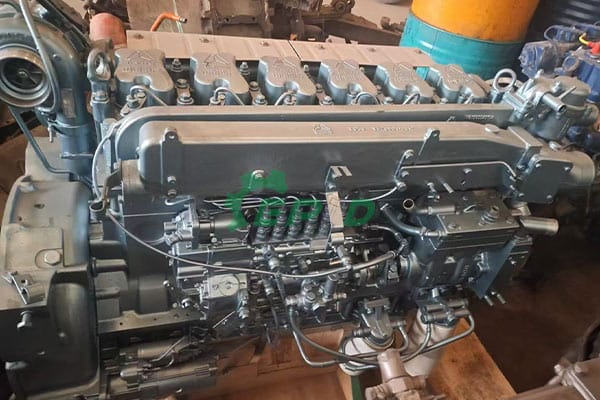
Gather a full metric socket and wrench set, torque wrench, dial indicator with magnetic base, feeler gauges, cam bearing installation tool, seal puller, thread locker, and a clean parts tray. You will also need new gaskets, a front cover seal, fresh engine oil and filter, and a replacement camshaft matched to your WP8 variant. A factory service manual for your exact engine code is essential for torque values and timing marks.
Safety comes first: disconnect both battery terminals, let the engine cool fully, and relieve fuel pressure. Work on a level surface with the engine supported, and label every connector, bolt, and hose you remove. Keep the work area clean and cover exposed ports, since dust and debris are the biggest enemies of a rebuilt valve train.
Draining, Disassembly, and Access to the Camshaft
Drain the coolant and engine oil into clean containers for inspection. Remove the intake piping, fan shroud, belts, and any brackets blocking the front cover. Take off the valve cover, then remove the rocker assembly or individual rockers in a labeled sequence so they can return to the same positions.
Rotate the engine to the specified timing position before loosening anything, then remove the timing gears or belt drive as required. Withdraw the camshaft carefully and straight, supporting its weight so the journals do not score the bearing bores. If the camshaft will not move freely, stop and investigate rather than forcing it.
Inspecting the Camshaft, Bearings, and Valve Train
Clean the old camshaft and measure each lobe and journal with a micrometer, comparing results to the service limits. Look for pitting, blue heat marks, and uneven wear patterns. Inspect the cam bearings in the block for scoring and check that oil feed holes are clear. Replace bearings whenever a new camshaft goes in.
Check lifters, pushrods, and rocker tips for wear, and confirm valve spring heights. If you find heavy debris, inspect the oil pump and consider related components; for example, a worn lower end may call for a new Weichai diesel engine crankshaft or refreshed pistons. On related six-cylinder builds, the same inspection logic applies to a Weichai piston kit WD615E2 when cylinder wear is suspected.
Installing the New Camshaft and Setting Timing
Lubricate the new bearings and camshaft lobes with assembly lube, then slide the camshaft in slowly while guiding it through each bore. Fit the thrust plate and torque its fasteners in the specified sequence. Install the timing gears or belt according to the manual, aligning every mark exactly, then recheck alignment after two full rotations.
Set valve lash on a cold engine using the firing order and the manual’s clearances. Reinstall the rocker assembly, front cover, and a new front seal. If your engine family shares parts with larger models, compare specifications against the Weichai WP12 camshaft data to confirm you have the correct profile before final assembly.
Torque Sequences, Lubrication, and Final Assembly
Follow the manual for every fastener: camshaft thrust plate, gear bolt, rocker pedestals, valve cover, and front cover. Apply thread locker where specified and use a calibrated torque wrench rather than guessing. Prime the oil system by cranking with the fuel shutoff engaged until oil pressure registers.
Refill with the correct oil grade and a new filter, then refill coolant and bleed the system. Double-check that all connectors, clamps, and tools are accounted for. A final visual sweep before start-up catches most avoidable problems.
First Start-Up, Break-In, and Road Test
Start the engine and listen for abnormal valvetrain noise while watching oil pressure. Let it idle briefly, then vary engine speed gently during the first running period. Check for leaks at the front cover and valve cover, and recheck valve lash after the recommended break-in interval.
Perform a road test under light and moderate load, watching for power delivery and any fault codes. Re-torque accessible fasteners and inspect oil for metal after the first service interval. If you need a replacement, source the correct Weichai WP8 camshaft for your engine code before beginning the job.
Common Mistakes to Avoid During WP8 Camshaft Work
Reusing worn lifters, skipping bearing replacement, and ignoring timing marks are the top causes of repeat failures. Installing a camshaft dry, mixing up rocker positions, and overtightening the front seal are also common. Always verify part compatibility with your engine serial number.
Keep a written record of measurements, torque values, and parts used. This documentation simplifies future maintenance and helps if warranty questions arise. Cleanliness and patience remain the most valuable tools in any camshaft job.
Frequently Asked Questions
How long does a Weichai WP8 camshaft replacement take?
Most experienced technicians complete the job in one to two working days, including teardown, inspection, timing, and start-up checks. Allow extra time if bearings or related valve train parts need replacement.
Can I replace the camshaft without removing the engine?
Yes. On most WP8 installations the camshaft can be removed with the engine in the chassis after removing the front cover, valve cover, and timing components. Confirm clearance in your specific application.
Do I need to replace lifters with a new camshaft?
It is strongly recommended. Worn lifters can quickly damage a new camshaft, so replace them and inspect pushrods, rockers, and valve springs at the same time.
For genuine Weichai engine parts and expert support, explore the full Weichai diesel engine parts range at EPID Diesel Engine Parts and order with confidence.


