Why Buyers Compare Yuchai YC6108 vs YC4D Engine Parts
When you search for yuchai yc6108 vs yc4d engine parts, you are usually solving a practical problem: a machine needs a rebuild, and the parts list has to be right the first time. The YC6108 and YC4D are both well known Yuchai platforms, but they serve different duty cycles and their internals are not interchangeable. The YC6108 family is a larger six-cylinder workhorse found in heavy trucks, gensets and construction equipment, while the YC4D is a compact four-cylinder engine used in light trucks, agricultural machinery and smaller industrial units.
Understanding the differences before you order saves money on returns and downtime. This guide walks through the main wear items – pistons, liners, gasket sets, oil pumps and overhaul kits – and explains how the two engines differ so you can match parts to the correct platform.
Displacement and Cylinder Layout: The First Filter
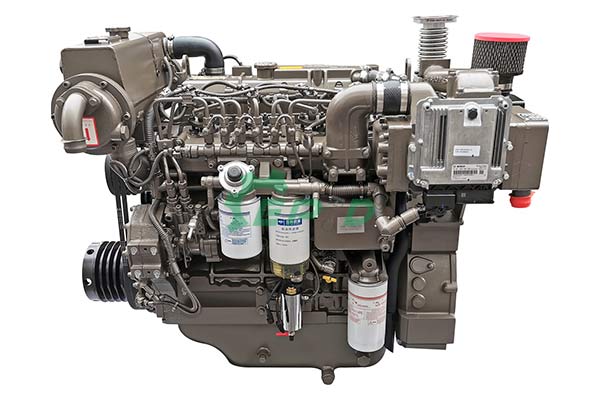
The most obvious difference is configuration. The YC6108 is a six-cylinder engine with a larger bore and stroke, built to deliver sustained torque in heavy applications. The YC4D is a four-cylinder unit with a smaller footprint, lighter weight and lower fuel consumption, which suits delivery trucks and farm equipment that run shorter, lighter cycles.
Because of this, yuchai yc6108 vs yc4d engine parts comparisons almost always start with the block and rotating assembly. A piston, liner or crankshaft bearing intended for one platform will not fit the other. Always confirm the engine plate and serial number before ordering, and treat displacement as your first filter when narrowing a parts list.
Piston and Liner Differences
Pistons are where the two engines diverge most in terms of wear patterns. The YC6108 piston is larger and heavier, with a crown and ring pack designed for higher cylinder pressures and continuous load. Buyers rebuilding this platform often pair pistons with matching liners and rings as a set, such as the YC6108G-340 piston and diesel engine repair kit, to keep clearances consistent across all six cylinders.
The YC4D piston is smaller and lighter, and its liner assembly reflects the engine’s lighter duty cycle. Wear on YC4D pistons tends to show up as ring groove wear and skirt scuffing in stop-start service, while YC6108 pistons more often show crown erosion and liner polishing under sustained load. Matching the piston grade to the liner bore is critical on both engines.
Gasket Sets and Sealing Kits
Gasket sets are another area where the two platforms cannot be mixed. The YC6108 head gasket is longer and has more combustion sealing rings because of the six-cylinder layout, while the YC4D gasket set is more compact. A complete YC4D130 overhaul kit with gasket set gives four-cylinder rebuilders a single reference for seals, O-rings and gaskets.
On the YC6108 side, gasket kits are usually ordered alongside liner and piston kits because the head must come off anyway. Pay attention to gasket material and thickness; using the wrong specification can change compression ratio and cause repeat failures.
Oil Pumps and Lubrication Components
Lubrication parts also differ between the platforms. The YC6108 oil pump is sized for a larger oil volume and higher flow demand, while the YC4D pump is more compact. Related four-cylinder components, such as the YC4108Q oil pump component, show how Yuchai’s smaller engine family packages lubrication hardware differently from the six-cylinder line.
When replacing an oil pump, always check the drive gear, relief valve and pickup tube as a system. A new pump bolted to a worn drive can fail quickly, and that is true on both the YC6108 and YC4D.
Overhaul Kits and Rebuild Planning
For a full rebuild, the YC6108 is usually serviced with a combined liner, piston and repair kit that covers all six cylinders in one order. A good example is the YC6108G-340 liner kit and piston kit repair set, which simplifies procurement for workshops handling heavy equipment.
The YC4D is more often rebuilt with a gasket set plus individual pistons and liners, depending on how many cylinders are worn. Because the engine is lighter, partial rebuilds are more common, but a full kit still offers better value when the whole top end is being refreshed.
Cost, Availability and Maintenance Cycles
YC4D parts are generally smaller and less expensive per unit, and they turn over quickly because the engine is common in light commercial fleets. YC6108 parts are larger, heavier to ship and often ordered in complete sets for planned overhauls. Availability for both is good, but lead times can differ for heavy castings such as cylinder heads and liners.
Maintenance cycles also differ. YC6108 engines in continuous duty need closer oil analysis and earlier liner inspection, while YC4D engines in stop-start service benefit from more frequent cooling system checks and gasket inspections.
How to Choose the Right Parts Every Time
Start with the engine nameplate, then confirm bore, stroke and cylinder count. Cross-check the part description against the engine family, and when in doubt, order kits rather than individual pieces so tolerances stay matched. Keep a photo of the old part and its markings before disposal.
Whether you are servicing a YC6108 or a YC4D, buying from a supplier who specializes in Yuchai reduces the risk of mismatched components. Browse the full Yuchai engine parts catalog to match pistons, gaskets, pumps and overhaul kits to your exact platform.
Frequently Asked Questions
Are YC6108 and YC4D pistons interchangeable?
No. The two engines have different bore sizes, piston weights and ring packs, so pistons cannot be swapped between platforms. Always match the piston to the engine nameplate and liner specification.
Can I use a YC4D gasket set on a YC6108 engine?
No. The YC6108 has six cylinders and a longer head gasket, while the YC4D gasket set is designed for a four-cylinder block. Using the wrong set will cause sealing failures.
Which engine is easier to rebuild, the YC6108 or the YC4D?
The YC4D is generally simpler because it has fewer cylinders and lighter components. The YC6108 requires more planning and heavier lifting equipment, but complete overhaul kits make the process straightforward.


